Hey there! I’m a supplier of FRP tanks, and today I wanna chat about whether FRP tanks are resistant to carbon dioxide. It’s a question I get asked a lot, and it’s super important for folks in industries where carbon dioxide is involved. FRP Tanks
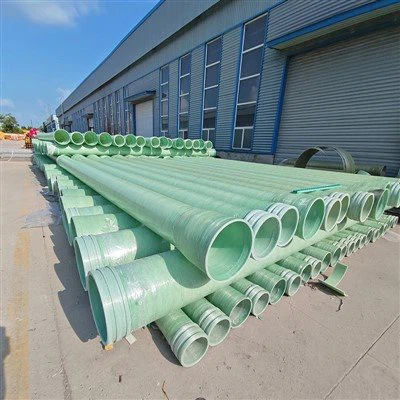
First off, let me give you a quick low – down on what FRP tanks are. FRP stands for Fiberglass Reinforced Plastic. It’s a composite material made up of glass fibers and a resin matrix. These tanks are popular for lots of reasons. They’re lightweight, corrosion – resistant, strong, and can be customized to fit different shapes and sizes. They’re used in all sorts of industries, like chemical processing, water treatment, and food and beverage production.
Now, let’s dig into the carbon dioxide issue. Carbon dioxide is a common gas, and it can be found in many industrial processes. In some cases, it’s a by – product, and in others, it’s used as a raw material or a coolant. When carbon dioxide comes into contact with materials, it can sometimes cause problems like corrosion or chemical reactions. So, the big question is, how does FRP hold up against it?
Well, the good news is that FRP tanks are generally pretty resistant to carbon dioxide. The resin matrix in FRP acts as a barrier, protecting the glass fibers from direct contact with the gas. And the glass fibers add strength and durability to the tank. But there are a few things to keep in mind.
Factors Affecting FRP Resistance to Carbon Dioxide
- Concentration of Carbon Dioxide: The amount of carbon dioxide in the environment matters. If the concentration is really high, it might have a more significant impact on the FRP tank over time. For example, in a process where carbon dioxide is constantly being produced at a high rate and the tank is exposed to it continuously, there could be a slightly higher risk of degradation.
- Temperature and Pressure: High temperatures and pressures can also affect the performance of FRP tanks. When the temperature goes up, the chemical properties of both the carbon dioxide and the FRP can change. And high pressure can put extra stress on the tank structure. If the tank is operating in a high – temperature, high – pressure environment with carbon dioxide present, it needs to be carefully designed and maintained.
- Resin Type: Different types of resins are used in FRP tanks, and their resistance to carbon dioxide can vary. For instance, epoxy – based resins are known for their good chemical resistance, including resistance to carbon dioxide. On the other hand, some polyester resins might not be as resistant, especially in harsher conditions.
Real – World Examples
I’ve seen firsthand how FRP tanks can handle carbon dioxide in different situations. In a local brewery, they use FRP tanks to store and process beverages. Carbon dioxide is produced during the fermentation process. The FRP tanks have been working great for years. They haven’t shown any signs of significant damage from the carbon dioxide exposure. The brewery staff has been really happy with the performance and reliability of the tanks.
Another example is in a chemical plant. They use FRP tanks to store carbon dioxide as a raw material. The tanks are designed to withstand the specific pressure and temperature conditions of the plant. After regular inspections over several years, we found that the tanks were in good condition, with only minor surface changes that didn’t affect the tank’s overall functionality.
Maintenance and Monitoring
Even though FRP tanks are resistant to carbon dioxide, proper maintenance and monitoring are key. Regular inspections can help catch any early signs of damage. This includes looking for cracks, discoloration, or changes in the surface texture of the tank. If any issues are detected, they can be addressed quickly to prevent further damage.
It’s also a good idea to keep an eye on the operating conditions, like temperature, pressure, and carbon dioxide concentration. If these conditions change significantly, it might be necessary to adjust the maintenance schedule or even make modifications to the tank.
Why Choose FRP Tanks for Carbon Dioxide Handling
There are several reasons why FRP tanks are a great choice for handling carbon dioxide:
- Cost – Effective: Compared to some other materials like stainless steel, FRP tanks are more affordable. They have a lower initial cost, and their long – term maintenance costs are also relatively low.
- Customizability: You can design FRP tanks to fit your specific needs. Whether you need a small, specialized tank or a large – scale storage solution, FRP can be molded into the right shape and size.
- Lightweight: Their lightweight nature makes them easier to transport and install. This can save a lot of time and money during the setup process.
- Corrosion Resistance: As I mentioned earlier, FRP has good corrosion resistance, which is crucial when dealing with carbon dioxide.
Conclusion
So, to answer the question, yes, FRP tanks are generally resistant to carbon dioxide. But it’s important to consider the specific operating conditions and choose the right resin type. With proper design, maintenance, and monitoring, FRP tanks can provide a reliable and cost – effective solution for handling carbon dioxide in various industries.

If you’re in the market for FRP tanks for carbon dioxide storage or processing, I’d love to talk to you. Whether you have a small – scale project or a large industrial setup, I can help you find the perfect FRP tank solution. Drop me a message, and we can start discussing your requirements.
Hand Truck References
- ASTM Standards on Fiberglass Reinforced Plastic Tanks
- Industry reports on chemical resistance of composite materials
- Case studies of FRP tank applications in carbon – dioxide related industries
Hebei Weihan Environmental Protection Equipment Co., Ltd.
We’re well-known as one of the leading FRP tanks manufacturers and suppliers in China, featured by quality products and good service. Please rest assured to buy customized FRP tanks at competitive price from our factory. Contact us for more details.
Address: No. 666 Chuangye Road, Zaoqiang County, Hengshui City, Hebei Province
E-mail: weihanmachine@gmail.com
WebSite: https://www.whanfrp.com/
