Hey there! I’m a supplier of home saunas, and one of the most common questions I get from customers is about the electrical requirements for a home sauna. It’s a crucial topic because getting the electricity setup right is key to having a safe and efficient sauna experience. So, let’s dive into what you need to know. Home Sauna
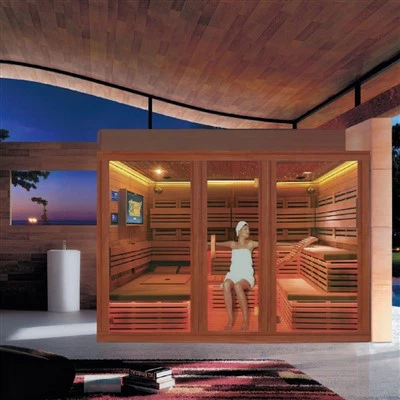
Understanding the Basics
First off, it’s important to realize that different types of saunas have different electrical needs. There are mainly two types of home saunas: traditional saunas and infrared saunas.
Traditional saunas use a heater to heat up rocks, which then radiate heat throughout the sauna room. These heaters can be pretty power – hungry. On the other hand, infrared saunas use infrared panels to directly heat your body, and they generally consume less power.
Traditional Saunas
For traditional saunas, the power requirements are largely determined by the size of the sauna. A small, two – person traditional sauna might need around 3000 to 4000 watts of power. As the size of the sauna increases, so does the power demand. A medium – sized sauna that can accommodate four to six people could require anywhere from 5000 to 6000 watts. And if you’re going for a large, luxury sauna that can fit eight or more people, you’re looking at 7000 watts or even higher.
The voltage for traditional saunas is usually 240 volts in the United States. This is because they need a higher voltage to generate enough heat to warm up the rocks and the air in the sauna. You’ll need a dedicated circuit for your traditional sauna. A dedicated circuit means that the sauna is the only thing connected to that particular electrical circuit. This is crucial for safety reasons, as it prevents overloading the circuit and reduces the risk of electrical fires.
When it comes to wiring, you’ll need to use the right gauge of wire. For a 3000 – 4000 – watt sauna, a 10 – gauge wire is usually sufficient. But for larger saunas with higher wattage, you might need a 8 – gauge or even a 6 – gauge wire. It’s always a good idea to consult an electrician to make sure you’re using the correct wire for your specific sauna.
Infrared Saunas
Infrared saunas are a bit more energy – efficient. A small, single – person infrared sauna can run on as little as 1000 watts. A medium – sized infrared sauna for two to four people typically uses around 1500 to 2000 watts. And a larger infrared sauna for four to six people might need 2500 to 3000 watts.
Most infrared saunas can operate on a standard 120 – volt household outlet, which is great news if you don’t want to go through the hassle of installing a dedicated 240 – volt circuit. However, some larger infrared saunas might still require a 240 – volt circuit, especially if they have multiple infrared panels or additional features like built – in audio systems.
The wiring for infrared saunas is generally less complex. Since they use less power, a 14 – gauge or 12 – gauge wire is usually enough for most models. But again, it’s important to follow the manufacturer’s recommendations and consult an electrician if you’re unsure.
Safety Considerations
Safety should always be your top priority when it comes to the electrical setup of your home sauna. Here are some important safety tips:
- Professional Installation: I can’t stress this enough. Have a licensed electrician install your sauna. They have the knowledge and experience to ensure that the electrical connections are made correctly and that your sauna is safe to use.
- Ground Fault Circuit Interrupter (GFCI): A GFCI is a device that shuts off the power if it detects a ground fault, such as a short circuit or a current leak. It’s a must – have for any sauna, as it helps prevent electrical shocks, especially in a wet environment like a sauna.
- Regular Inspections: Have your sauna’s electrical system inspected regularly. Over time, wear and tear can cause problems with the wiring or electrical components. An annual inspection by an electrician can help catch any issues before they become serious.
Other Factors to Consider
There are a few other things that can affect the electrical requirements of your home sauna.
- Location: If your sauna is located in a cold climate, it might need more power to maintain the desired temperature. This is because the heat will escape more quickly in colder environments.
- Insulation: A well – insulated sauna will require less power to heat up and maintain its temperature. Make sure your sauna is properly insulated to save on energy costs.
- Additional Features: Some saunas come with extra features like lights, fans, or audio systems. These features will add to the overall power consumption of the sauna.
Planning Your Electrical Setup
Before you purchase a home sauna, it’s a good idea to plan your electrical setup. Here’s what you can do:
- Check Your Electrical Panel: Find out how much available power you have in your electrical panel. You might need to upgrade your panel if you don’t have enough capacity for your sauna.
- Get a Quote from an Electrician: Have an electrician come to your home and give you a quote for the installation. This will help you budget for the electrical work.
- Choose the Right Sauna: Based on your electrical capacity and your needs, choose a sauna that is suitable for your home. Don’t try to fit a large, high – power sauna into a space with limited electrical supply.
Conclusion

So, there you have it! The electrical requirements for a home sauna depend on the type, size, and features of the sauna. Whether you’re going for a traditional sauna or an infrared one, it’s important to understand the power needs and take the necessary safety precautions.
Infrared Sauna Shower If you’re in the market for a home sauna and have questions about the electrical requirements or anything else, don’t hesitate to reach out. I’m here to help you find the perfect sauna for your home and make sure the electrical setup is done right. Just drop me a message, and we can start a conversation about your sauna needs.
References
- "Home Sauna Installation Guide", Various sauna manufacturers’ manuals
- "Electrical Safety Standards for Residential Buildings", National Electrical Code
Guangzhou Denor Swimming Pool Equipment Co., Ltd.
As one of the most professional home sauna manufacturers and suppliers in China, we also support customized service. Please feel free to wholesale high quality home sauna at competitive price from our factory. For more information, contact us now.
Address: No. 24 Cendong Road, Xinya Street, Huadu District, Guangzhou City, Guangdong Province,China
E-mail: emily@saunaroom.net
WebSite: https://www.denor-saunaroom.com/
