Hey there, if you’re reading this, odds are you work with conventional power transformers—maybe you’ve got one that’s been tripping way too often lately, or your maintenance team’s been blowing a fuse (pun totally intended) over consistent overheating. I’ve been in the power transformer game for over a decade now, running a supply outfit that’s shipped thousands of these bad boys to grid operators, industrial parks, and small municipal power companies across North America. Overheating is hands down the #1 issue we get emails and calls about, and it’s not just a minor headache—letting it slide can lead to shortened lifespan, unplanned outages, even full-on transformer failure (and trust me, no one wants to deal with the cost of replacing a mid-stream transformer when the grid’s already stretched thin). Conventional Power Transformer
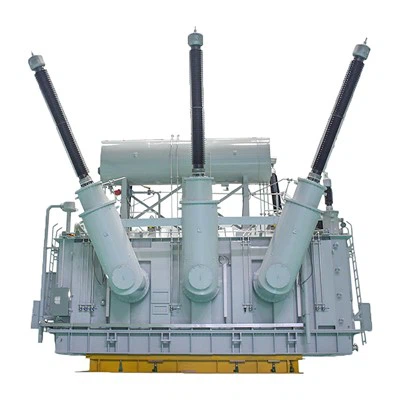
First off, let’s cut through the jargon a sec and get real: what actually causes conventional power transformers to overheat? I’ve seen guys blame everything from “the moon’s gravity” to cheap replacement gaskets, but at the end of the day, it boils down to two main culprits: load-related heat and inefficient heat dissipation. Conventional transformers work by stepping voltage up or down via copper windings wrapped around an iron core, right? When current runs through those windings, they create resistance—this is called I²R loss, and it turns electrical energy into heat. The more load you throw on the transformer, the higher that current, the more heat you generate. Then there’s core loss, from hysteresis and eddy currents in the iron, which also adds to the heat pile. If that heat can’t escape fast enough, the transformer’s internal temperature (we’re talking hot spots inside the windings, not just the surface) creeps past the 105°C limit for most mineral-oil-insulated units—cross that line, and you’re looking at accelerated insulation breakdown, which is the #1 killer of transformers.
Let’s start with the low-hanging fruit—stuff you can check or fix today, no big parts swap required. First up: load auditing. A lot of operators just run their transformers at max capacity 24/7 because that’s how they sized it years ago, but loads fluctuate. I had a client in Ohio last year who had a 10 MVA transformer that kept overheating every summer—turns out they were running a new set of industrial pumps on it, adding 3 MVA of extra load no one documented. If you’re not tracking real-time load, grab a clamp-on ammeter and measure each phase over a full week (peak, off-peak, weekends). If you’re consistently running at 85%+ nameplate capacity, that’s a red flag. Options here? Maybe shift some non-critical loads to another transformer, or if you’re pushing it year-round, start budgeting for an up-sized unit—we’ve got a line of conventional units with higher thermal ratings that fit most existing switchgear footprints, so you don’t have to redo your whole substation.
Next, check the cooling system—most conventional transformers use mineral oil for both insulation and heat transfer, right? The oil circulates, picks up heat from the windings and core, then moves to radiators (we call them “cooling banks”) where fans blow air over them to dissipate heat. A super common mistake here is letting the cooling system get dirty. Last month, a Texas client called us panicking—their transformer’s surface temp was 120°F when it should’ve been 90°F. We asked when they last cleaned the radiators; turns out, cottonwood pollen and dust had caked so thick on the fins, air couldn’t get through. Pro tip: schedule a quarterly visual check of the cooling banks, especially if you’re in a dusty, pollen-heavy, or industrial area. If they’re dirty, use a low-pressure air hose (high pressure will bend the fins, which is way worse) to blow gunk out, or a soft brush for tough spots. Also, make sure the fans are working—swap out any worn bearings, check motor windings, and set thermostats to kick on fans when oil temp hits 55°C, not 65. Waiting too long to engage fans is a rookie move that leads to unnecessary heat buildup.
Another quick win: oil level and condition. If your oil is low, you’ve got two problems—first, less oil to absorb heat, and second, moisture or air can get in, which kills insulation and lowers the oil’s heat transfer ability. Do a monthly oil level check when the transformer’s cool (hot oil expands, so you might get a false high reading). If it’s low, top it off with the exact same type of mineral oil that came with the unit—mixing different brands or viscosities can cause sludge buildup, which clogs cooling passages. And every two years, send a sample of the oil to a lab for testing—they’ll check moisture content, acidity, and dielectric strength. Acidity above 0.5 mg KOH/g is a sign the oil is breaking down, which not only reduces heat transfer but can eat away at winding insulation. We sell a lot of reconditioned oil filters for clients on a budget, but if your oil’s bad, don’t cheap out—replace it (or do a full reclamation) to get your heat dissipation back on track.
Now, let’s get into the more involved fixes—stuff that might take a day or two but will save you from a costly failure down the line. First, check for loose connections in the winding leads or bus bars. When those connections are loose, you get arc resistance, which turns into extra heat—we’ve seen connection points that were supposed to stay room temp hit 200°C because of bad torquing. You’ll need to shut down the transformer (follow all lockout/tagout procedures, safety first!), disconnect the leads, clean the contact faces with emery cloth, and torque them to the manufacturer’s spec. Don’t over-torque either—you can strip threads or crack bus bars, which is a whole other mess. If you’re not comfortable working on high-voltage connections, hire a certified tech, it’s worth the cost.
Next, look into if your transformer is experiencing harmonic distortion. A lot of modern industrial equipment—variable frequency drives, LED lights, data centers—shoot out harmonics, which are extra frequencies in the current that don’t do any work but add tons of extra I²R loss in the windings. I had a client in Atlanta who upgraded to a new data center, and their existing transformer started overheating constantly—we ran harmonic tests and found total harmonic distortion (THD) of 18%, way above the 5% limit for most units. Fixing this? They added harmonic filters to the secondary side, and their temp dropped 20°C overnight. If you’ve got new equipment on your load list, ask a power quality specialist to run a THD test—even if you don’t notice other issues, harmonics are a silent overheating culprit.
Wait, what if you’ve tried all this and still have overheating? It might be time for a winding retap or a unit upgrade. Winding retapping is when you adjust the voltage taps on the transformer to match your actual load, which reduces current and thus I²R loss. It’s cheaper than replacing the whole unit if the core and windings are still in good shape. But if your transformer is over 25 years old, the insulation is likely starting to degrade, so even small overheating issues can turn into big problems fast. Here’s a tip from our service team: when replacing an old conventional transformer, look for units with “ANSI Class 155” or “200” insulation rating instead of the standard 105. They run cooler under the same load, have a longer lifespan, and the extra cost is totally worth it for the peace of mind.
Now, let’s talk about mistakes we see all the time that make overheating worse. First, ignoring warning signs. A lot of operators wait until the transformer trips on temperature before doing anything—by then, the hot spot is already damaged. Invest in a temperature monitoring system (we offer basic wired ones for small units and wireless IoT sensors for large substation units that send alerts to your phone or laptop when temp spikes). Catching a 5°C increase early is way easier than fixing a burned winding. Second, using the wrong type of oil. Some guys think “any mineral oil works” but there’s different grades—polar oils for higher voltage, inhibited oils that slow down acidity. Grab the wrong one, and you’re asking for trouble. Third, skimping on maintenance. I know, it’s easy to put off checking radiators or testing oil when you’re swamped, but a 2-hour check every quarter can save you $100k+ in replacement costs.
Let me wrap this up with a real example that stuck with me. A municipal power client in Michigan called us three years ago, their 20-year-old conventional transformer was overheating every winter. They’d tried cleaning radiators, topping off oil, adjusting fans, nothing worked. When our techs showed up, they did a full load test and found the transformer was running at 92% capacity (so not overloaded) but had a winding hot spot 30°C higher than the oil temp—turns out the winding insulation was starting to delaminate, which blocked heat transfer. We didn’t sell them a new unit right away; we did a core and winding repair, upgraded the insulation, and added harmonic filters (they’d just added new street lights with VFDs that were causing harmonics). Three years later, that transformer is still running at full capacity, no overheating issues. The lesson here: overheating isn’t always one big thing, it’s a chain of small issues that pile up.
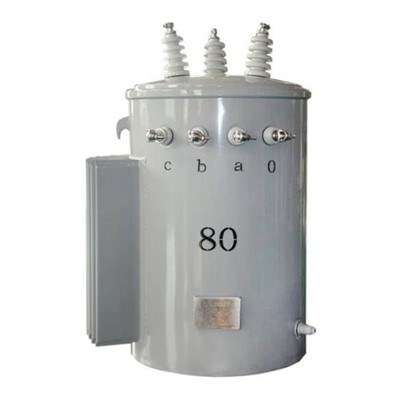
If you’re dealing with consistent overheating, don’t wait for a failure to act. Whether you need a quick load audit, a oil test, a replacement conventional power transformer that fits your existing setup, or just someone to walk you through troubleshooting, our team’s here to help. We’ve been supplying reliable, long-lasting conventional transformers for decades, and we know this equipment inside and out. Hit us up to chat through your specific issue, no sales pitch pressure—just real advice from guys who work with this stuff every single day.
Conventional Power Transformer References:
- IEEE Std. C57.12.00, “Standard General Requirements for Liquid-Immersed Distribution, Power, and Regulating Transformers”, Institute of Electrical and Electronics Engineers, 2020.
- NEMA TP 1-2018, “Energy Conservation Standard for Distribution Transformers”, National Electrical Manufacturers Association, 2018.
- Del Vecchio, R. M., et al., Transformer Design Principles, 2nd ed., CRC Press, 2010.
- “Mineral Oil for Power Transformers: Properties and Performance”, Electric Power Research Institute (EPRI), 2019.
- “Harmonic Effects on Power Transformers”, International Council on Large Electric Systems (CIGRE) Technical Brochure 601, 2014.
Nantong Yawei New Energy Technology Co., Ltd.
As one of the most professional conventional power transformer manufacturers and suppliers in China, we’re featured by quality products and good service. Please rest assured to wholesale durable conventional power transformer made in China here from our factory. Customized orders are welcome.
Address: Room 28-101, Building 27 and 28, No.333 Kaiyuan Avenue, Sunzhuang Subdistrict, Hai’an City, Nantong City, Jiangsu Province, China
E-mail: admin@nantongyawei.com
WebSite: https://www.nantongyawei.com/
