If you’ve ever looked in the mirror and noticed your lips feel tight, flaky, or just plain dull, you know how much your lip routine affects not just your comfort, but also how you feel about your overall look. As someone who’s spent years in the lip care industry—working with formulators, dermatologists, and thousands of customers— I’ve seen first-hand that supple lips aren’t just a matter of luck or a fancy product; they’re the result of consistent, science-backed care. Let’s break down what actually works, why so many common lip care myths fall flat, and how to build a routine that keeps your lips soft, flexible, and healthy long-term. Lips Care

First, it helps to understand a little about your lips themselves—because they’re not like the skin on the rest of your body. The epidermis (the outer skin layer) on your lips is only 3 to 5 cells thick, compared to 16 layers on your forearm. That means it loses moisture much faster, has no oil glands to naturally hydrate itself, and doesn’t produce melanin, so it’s extra prone to sun damage and irritation. That’s why a basic moisturizer for your face won’t cut it for your lips—it’s too thick, has ingredients that can irritate delicate lip skin, and can’t penetrate the thin barrier to lock in moisture. A lot of people make the mistake of treating their lips like mini dry patches on their cheeks, but the right approach requires targeted steps tailored to how lips work.
Let’s start with the foundation: hydration, both inside and out. External hydration is the step most people skip or rush through. Many lip products on the market only coat your lips with wax or petroleum jelly temporarily, which can leave you feeling like your lips are soft at first, but they’ll dry out again an hour later because that layer doesn’t actually replenish lost moisture. True suppleness comes from products that draw water into your lips and keep it there. That means looking for key ingredients: hyaluronic acid, which can hold up to 1,000 times its weight in water, squalane, a lightweight oil that matches the skin’s natural lipids, and ceramides, which repair the lip’s thin barrier so it can hold moisture on its own. I’ve worked with our formulators for years to balance these ingredients—too much wax and it feels heavy; too much active and it irritates. The sweet spot is a product that works with your lips’ natural structure, not against it.
But external care is only half the story. A lot of people focus on lip balms and scrubs and forget that dehydration starts from within. Drinking enough water seems simple, but I can’t tell you how many customers come to us saying their lips feel chronically dry, and when we check in, they’re only drinking half the water they should be each day. Your lips are a direct window into your body’s hydration levels—when you’re dehydrated, they’re one of the first places it shows up, even before you feel thirsty. That’s why making sure you’re getting 6 to 8 cups of water a day isn’t just a wellness tip—it’s a core part of keeping lips supple. I’m not saying you have to chug gallons, but small, consistent sips throughout the day make a big difference. I always keep a reusable water bottle on my desk, and it’s easy to remember to take a sip when I feel my lips starting to tingle—that little signal is your body telling you it needs more water.
Next, exfoliation—but gentle, not harsh. Exfoliating your lips removes dead, flaky skin that can trap moisture and make your lips feel rough. But here’s the big myth: you don’t need a gritty scrub with sugar or salt that can scratch the delicate lip layer. I’ve seen too many people over-exfoliate, their lips end up red, irritated, and even more dry a few days later. The right exfoliation is something that dissolves dead skin cells, not abrades them. Ingredients like enzymatic exfoliants (like papaya or pineapple enzymes) work by breaking down the bonds between dead skin cells, so you don’t have to scrub hard. Or a simple sugar scrub with fine granule sizes, used once or twice a week at most, is gentle enough if you do it right. I always tell customers: if your lips feel sore after exfoliating, you did too much. Once a week is enough for most people; if you have extra sensitive lips, maybe even every two weeks. After exfoliating, always follow with a hydrating product—otherwise, you’re just removing the top layer of dead skin and leaving the underlying delicate skin unprotected.
Another common culprit of dry, un supple lips: lip licking and breathing through your mouth. I see this all the time, especially in the winter when dry air makes lips feel tight. Licking your lips might feel like it’s moisturizing, but your saliva has enzymes that break down the lip’s barrier, so within a few minutes, your lips are drier than before—you’re actually making the problem worse. Breathing through your mouth (like when you’re congested, or at night if you sleep with your mouth open) has the same effect: it exposes your lips to constant air flow that evaporates moisture. If you’re a mouth breather at night, using a humidifier in your room is a simple fix—adding moisture to the air helps your lips retain hydration while you sleep. And if you catch yourself licking your lips during the day, keep a hydrating lip product handy to apply instead—something with those barrier-repair ingredients so you’re not just coating your lips, but protecting them.
Sun protection is another step that’s often overlooked. Your lips have no melanin, so they’re just as prone to sun damage as your skin—UV rays can break down collagen, dry out the lip’s barrier, and lead to premature aging, which makes lips lose their natural suppleness over time. A lot of lip balms have SPF, but not all SPF is good for lips. Some use chemical filters that can irritate sensitive lip skin, especially with repeated use. We’ve worked with our formulators to create lip products with mineral SPF (zinc oxide or titanium dioxide) because they’re gentle, sit on top of the lips to block UV rays, and don’t get absorbed into the delicate layer. Even if you’re not spending all day outside, everyday sun exposure (walking to work, running errands) adds up, so a lip product with SPF is a daily must, not just for beach trips.
Now, let’s talk about a routine that actually works—no complicated steps, just consistency. Let’s break it down by time of day, so it’s easy to stick to.
Morning: Start by gently patting your lips clean with a warm washcloth (no scrubbing here—you’re just removing overnight buildup). Then apply a thin layer of your hydrating lip product—this is your daytime layer, which will protect you from sun and environmental dryness. If you wear lipstick, apply a thin layer first, so it doesn’t cling to flaky skin and look patchy throughout the day.
Midday: Every few hours, if your lips start to feel tight, reapply. Skip the impulse to lick them—instead, reach for your lip product. If you’re going to be outside, make sure you’re using the SPF version, even if you already applied it in the morning.
Night: This is when your skin repairs itself, so your evening lip routine is extra important. First, exfoliate gently if you need to—once or twice a week, using an enzymatic scrub or a very gentle sugar scrub. Then, apply a thick, barrier-repair product—something with shea butter or jojoba oil, which are rich but not heavy, and work while you sleep to lock in moisture. Some people swear by petroleum jelly, and it works for a lot of people, but if you have sensitive lips, look for a product with natural oils that are less likely to cause irritation. We’ve found that a lot of customers prefer our nighttime lip treatment because it’s balanced—rich enough to repair, but not so heavy that it feels uncomfortable while sleeping.
Wait, what about products to avoid? That’s just as important as what to use. A lot of cheap lip products have ingredients like fragrances, menthol, or camphor that feel tingly or cool, but they actually irritate the lip’s barrier and can lead to dryness over time. I’ve had customers tell me they use a “tingling” lip balm because it makes their lips feel soft, but once we check the ingredients, it has menthol that’s stripping their skin. The tingle is just the ingredient irritating the nerve endings—not a sign that it’s working. So if a product has added fragrance or those irritating cooling ingredients, skip it. Also, avoid products with alcohol—alcohol evaporates moisture, so it will make your lips drier, not softer.
I’ve seen so many customers come to us frustrated, saying “I’ve tried every lip product and nothing works.” Most of the time, it’s because they’re skipping a key step, or they’re overdoing exfoliation, or they’re not staying hydrated. I remember a customer a few years ago, a nurse who’d work 12-hour shifts, breathing through her mouth and only using a basic drugstore lip balm when her lips were already bleeding. She tried our product after a friend recommended it, but she also started drinking a glass of water before her shift and using a humidifier in her apartment. Within two weeks, her lips went from dry, chapped patches to soft, supple lips that didn’t feel tight at all. That’s what we’re here for—products that support a simple, consistent routine, combined with the basics that anyone can do.
Another thing to remember: your lips’ needs change with the seasons. In the winter, cold, dry air and wind strip moisture, so you might need a thicker, more protective product. In the summer, sun and heat can make your lips oily sometimes, so a lightweight, SPF-infused product is better. Even if you’re following all the steps, if your product isn’t matching the weather, it won’t work as well. We adjust our products with the seasons too—winter formulas have more barrier-repair ingredients, summer formulas are lighter and have a gentle SPF. That’s a small detail that makes a big difference in keeping lips supple year-round.
Let’s also talk about what “supple lips” actually mean—it’s not just softness. Suppleness is flexibility, right? Your lips move when you speak, smile, kiss—so they need to be able to move without cracking or feeling tight. That comes from the barrier being healthy, not just the surface being moisturized. If your barrier is damaged, even if your lips feel soft, they’ll still crack when you move them. That’s why repairing the barrier with ceramides and squalane is so important—it helps your lips stretch and move, so they feel natural, not stiff.
I’ve spent my career in this industry because I care about making people feel confident, and lip care is such a small part of self-care that makes a huge difference. When your lips are soft and healthy, you don’t have to worry about them looking dry or feeling uncomfortable, so you can focus on the things that matter. But I also know that it can be overwhelming, with so many products and so much conflicting advice. That’s why we’ve made it our mission to create products that are science-backed, gentle, and tailored to how your lips work. We test every formula with dermatologists, and we work with real customers to make sure they work for all skin types, including sensitive lips that have trouble with other products.
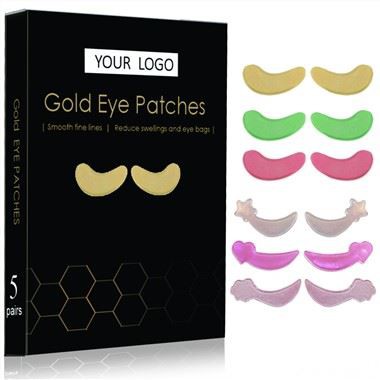
If you’re a salon owner, spa manager, or business owner looking to add a high-quality lip care line to your offerings, we’d love to talk. We work with partners to create custom formulations, private labeling, and bulk ordering that fits your needs. Our products are designed for professional use as well as retail, so your customers and clients can get the same reliable, effective lip care that we’ve been developing for years. Whether you’re looking to start a new lip care line, expand your current offerings, or find a partner that understands the science behind healthy lips, we’re here to help you find the right solution. We prioritize quality, customer safety, and real results, so you can feel confident recommending our products to your audience.
Lip Beautification references
American Academy of Dermatology. (2023). Skin Conditions: Lip Care Basics.
Draelos, Z. D. (2021). Lip Skin Physiology and Common Lip Disorders. Journal of Cosmetic Dermatology.
International Journal of Cosmetic Science. (2022). Active Ingredients for Lip Moisturization and Barrier Repair.
Zhongshan Senwell Bio Technology Co., Ltd.
Zhongshan Senwell Bio Technology Co., Ltd. is one of the most professional lips care manufacturers and suppliers in China, featured by quality products and good service. Please rest assured to wholesale bulk customized lips care at competitive price from our factory.
Address: 7F, Unit 2, Building C, No. 16, Haojiang Road, Torch Development Zone, Zhongshan City, Guangdong Province
E-mail: service@senwellbio.cn
WebSite: https://www.senwelloem.com/
