Hey there! I’m a supplier of CNC turning machines, and today I wanna chat about the difference between single – point and multi – point cutting in CNC turning. It’s a topic that comes up a lot when customers are looking to choose the right machine and cutting method for their projects, so I thought I’d share my insights. CNC Turning Machine
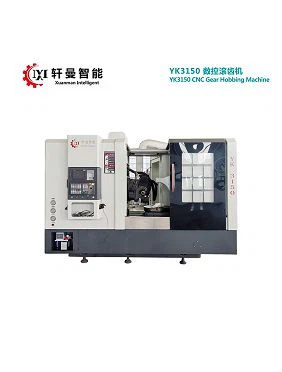
Let’s start with single – point cutting. As the name suggests, single – point cutting uses a single cutting edge to remove material from the workpiece. This is a pretty basic and widely used method in CNC turning. The single – point cutting tool is usually made of high – speed steel, carbide, or other hard materials. It’s simple in design, and that’s one of its biggest advantages.
The single – point cutting tool is really versatile. You can use it for a variety of operations like facing, turning, boring, and threading. It gives you a lot of control over the cutting process. You can adjust the depth of cut, the feed rate, and the cutting speed according to the material you’re working with and the desired finish. For example, if you’re working on a soft material like aluminum, you can increase the feed rate and cutting speed to get the job done faster. But if you’re dealing with a hard material like stainless steel, you’ll need to slow down and be more careful with the depth of cut to avoid damaging the tool.
Another great thing about single – point cutting is the quality of the finish it can achieve. Since you’re using a single cutting edge, you can get a very smooth surface finish. This is especially important for parts that require high precision and a good aesthetic appearance. For instance, in the aerospace industry, where parts need to be extremely precise and have a smooth finish to ensure proper function, single – point cutting is often the go – to method.
However, single – point cutting also has its limitations. One of the main drawbacks is the relatively slow cutting speed. Because you’re using only one cutting edge, it takes longer to remove a large amount of material. This can be a problem if you’re working on a high – volume production project. Also, the tool wear can be an issue. The single cutting edge is constantly in contact with the workpiece, so it can wear out quickly, especially when working on hard materials. You’ll need to replace the tool more frequently, which can increase the cost of production.
Now, let’s move on to multi – point cutting. Multi – point cutting uses multiple cutting edges on a single tool to remove material. This method is designed to increase the cutting efficiency and productivity. The most common type of multi – point cutting tool in CNC turning is the indexable insert cutter. These cutters have several cutting edges on each insert, and when one edge wears out, you can simply rotate the insert to use a new one.
The biggest advantage of multi – point cutting is the high cutting speed. Since you’re using multiple cutting edges, you can remove material much faster than with single – point cutting. This makes it ideal for high – volume production. For example, in the automotive industry, where thousands of parts need to be produced every day, multi – point cutting is widely used to meet the production demands.
Another benefit of multi – point cutting is the reduced tool wear. Because the workload is distributed among multiple cutting edges, each edge experiences less wear. This means you don’t have to replace the tool as often, which can save you a lot of money in the long run.
But multi – point cutting also has its downsides. One of the main issues is the limited versatility. Multi – point cutting tools are usually designed for specific operations, like roughing or finishing. You can’t use them for as many different types of operations as you can with single – point cutting tools. Also, the initial cost of multi – point cutting tools can be higher. Indexable insert cutters are more expensive than single – point cutting tools, and you’ll need to invest in a set of inserts for different operations.
When it comes to choosing between single – point and multi – point cutting, it really depends on your specific needs. If you’re working on a small – scale project that requires high precision and a good surface finish, single – point cutting might be the better option. You’ll have more control over the cutting process, and you can achieve the desired results. On the other hand, if you’re dealing with high – volume production and need to remove material quickly, multi – point cutting is the way to go. It’ll save you time and money in the long run.
As a CNC turning machine supplier, I’ve seen firsthand how different cutting methods can affect the production process. I can help you choose the right machine and cutting tool for your project. Whether you need a machine that’s optimized for single – point cutting or one that can handle multi – point cutting, I’ve got you covered.

If you’re interested in learning more about CNC turning machines and the different cutting methods, or if you’re looking to purchase a machine for your business, don’t hesitate to reach out. I’m here to answer all your questions and help you make the best decision for your production needs.
CNC Turning Machine References:
- "CNC Machining Handbook"
- "Modern Manufacturing Technology"
Jiangsu Xuanman Intelligent Equipment Co., Ltd.
We’re well-known as one of the leading CNC turning machine manufacturers in China, featured by quality products and low price. Please rest assured to buy discount CNC turning machine made in China here from our factory. We also accept customized orders.
Address: No. 1-1, Weier Road, Jieji Equipment Manufacturing Industrial Park, Sihong County, Suqian City, Jiangsu Province, China
E-mail: jsxmzn@163.com
WebSite: https://www.xm-cnc.com/
