Hey there! I’m a supplier of plastic pallet containers, and I know how crucial it is to ensure the stability of these containers during stacking. It’s not just about preventing a messy pile; it’s about safety, efficiency, and making sure your goods are well – protected. So, let’s dive into some practical ways to keep those plastic pallet containers steady when stacked up. Plastic Pallet Container

Understanding the Basics of Plastic Pallet Containers
First off, let’s talk a bit about plastic pallet containers. They’re super handy in various industries, from food and beverage to manufacturing and logistics. They’re lightweight, durable, and can be easily cleaned, which makes them a popular choice. But when it comes to stacking, there are a few things you need to keep in mind.
The design of the plastic pallet container plays a big role in its stacking stability. Most of the containers we supply have a ribbed structure on the bottom and top. These ribs are like little support beams that help distribute the weight evenly when the containers are stacked. When you’re choosing a container, make sure it has a well – designed ribbing system. It might seem like a small detail, but it can make a huge difference in how stable the stack is.
Choosing the Right Pallet
The pallet that the plastic container sits on is just as important as the container itself. You want to choose a pallet that is strong enough to support the weight of the container and its contents, as well as the weight of the containers stacked on top.
Wooden pallets are a common choice, but they can vary in quality. Some wooden pallets might have weak spots or be prone to warping. If you’re using wooden pallets, make sure they’re in good condition. Look for any signs of damage, like cracks or splinters.
Plastic pallets are another option. They’re more consistent in quality and are often more resistant to damage. They also tend to be lighter than wooden pallets, which can be a plus if you’re concerned about overall weight. When choosing a plastic pallet, consider its load – bearing capacity. You don’t want to overload it and risk the stability of the stack.
Loading the Containers Properly
How you load the plastic pallet containers is a key factor in stacking stability. You want to distribute the weight evenly inside the container. If you have heavy items, try to place them at the bottom and spread them out. Don’t just pile all the heavy stuff in one corner.
For example, if you’re loading boxes of products, stack them neatly and make sure they’re arranged in a way that the weight is evenly distributed across the container. If you have irregularly shaped items, you might need to use some padding or dividers to keep them in place and prevent them from shifting during stacking.
Also, don’t overfill the containers. Each container has a recommended maximum load capacity. Exceeding this capacity can not only make the container itself unstable but also put too much stress on the pallets and the stack as a whole.
Stacking Techniques
Now, let’s get to the actual stacking part. There are a few techniques that can help you stack the plastic pallet containers more stably.
First, make sure the containers are properly aligned. When you stack one container on top of another, line up the corners and edges as precisely as possible. This helps distribute the weight evenly and reduces the risk of the stack toppling over.
You can also use interlocking features if your containers have them. Many of the plastic pallet containers we supply have interlocking mechanisms that allow them to fit together snugly. This adds an extra layer of stability to the stack.
Another important thing is to limit the height of the stack. The taller the stack, the more unstable it becomes. You need to consider the weight of the containers, the strength of the pallets, and the storage environment. In general, it’s a good idea to keep the stack height within a reasonable limit. For most industrial settings, a stack height of 3 – 5 containers is usually safe, but this can vary depending on the specific circumstances.
Storage Environment
The storage environment also has a significant impact on the stability of the plastic pallet containers during stacking. You want to store them on a flat and level surface. Uneven floors can cause the pallets and containers to tilt, which can lead to an unstable stack.
If you’re storing the containers outdoors, make sure they’re protected from the elements. Extreme temperatures, humidity, and sunlight can affect the integrity of the plastic. For example, prolonged exposure to sunlight can cause the plastic to become brittle, which can reduce the stability of the containers.
In a warehouse setting, proper ventilation is important. Good ventilation helps prevent the build – up of moisture, which can also damage the plastic and affect the stability of the stack.
Regular Inspections
Regular inspections are a must to ensure the stability of the plastic pallet container stacks. You should check the containers and pallets for any signs of damage, such as cracks, breaks, or warping. If you find any damaged items, remove them from the stack immediately.
Inspect the stack itself for any signs of instability, like leaning or shifting. If you notice any issues, you might need to restack the containers or make some adjustments to improve the stability.
Training Your Staff
If you have employees who are responsible for stacking the plastic pallet containers, it’s essential to provide them with proper training. They should know how to choose the right pallets, load the containers correctly, and stack them using the proper techniques.
Training can also include safety procedures. For example, they should know how to handle the containers safely to avoid injuries and how to respond in case of an unstable stack.
Conclusion
Ensuring the stability of plastic pallet containers during stacking is a multi – faceted process. It involves choosing the right containers and pallets, loading the containers properly, using the correct stacking techniques, considering the storage environment, conducting regular inspections, and training your staff.
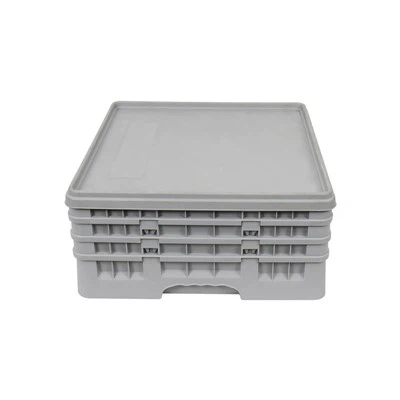
By following these tips, you can create a stable and safe stack of plastic pallet containers, which will not only protect your goods but also improve the efficiency of your operations.
Attached Lid Container If you’re interested in purchasing high – quality plastic pallet containers that are designed for stability during stacking, feel free to reach out to me. I’d be more than happy to discuss your specific needs and help you find the perfect solution for your business.
References
- Industry standards for plastic pallet containers
- Research on load distribution in stacked containers
- Best practices for warehouse storage and stacking
Shanghai Qusheng Plastics Co., Ltd.
As one of the leading plastic pallet container manufacturers and suppliers in China, we have world-leading production equipment and strong manufacturing capabilities. Please rest assured to wholesale customized plastic pallet container from our factory. For quotation, contact us now.
Address: No.85 Hengtang Road, Huaqiao Town, Kunshan City, Jiangsu Province
E-mail: Totepallet-inquiry@plastic-crate.com
WebSite: https://www.totepallet.com/
