If you’ve ever stood in a 20-minute line at a gas station during rush hour, only to realize your tank’s almost empty and you don’t have time to wait, you know how frustrating refueling can be. For years, the gas station model was static: a piece of real estate with pumps, a convenience store, and staff, set up to serve drivers passing through. But over the last five years, my team and I have witnessed a quiet shift: mobile gas stations—fully self-contained, transportable fueling units that come to your location, instead of you going to them—are going from a niche solution to a mainstream option, and it’s not just a trend for big corporations. Mobile Gas Station
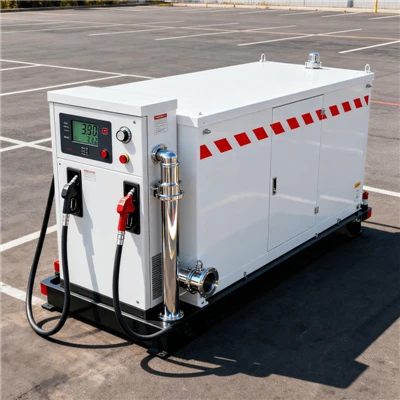
When I started this supply business a decade ago, mobile fueling was mostly used for construction sites, remote industrial projects, and emergency response teams. Back then, it was seen as a nice-to-have, not a necessary service. But today, we’re getting inquiries from small business owners, fleet managers, even property developers and local event organizers, asking about how mobile stations can fit into their daily operations. A few months ago, a restaurant chain in the Midwest reached out because their delivery trucks were wasting 10 to 15 gallons of fuel every day idling in their parking lot while waiting to pick up or drop off orders. They didn’t have space to build a permanent pump, and local gas stations were too far away for their drivers to stop without disrupting routes. We installed two 5,000-gallon mobile units right in their back lot, and within three months, they cut their daily fuel costs by 18% and reduced driver overtime by half. That’s the kind of impact that’s pushing mobile stations into the spotlight.
The shift isn’t just happening because people hate waiting in lines—though that’s a big part of it. It’s driven by three key factors that make mobile gas stations a practical, cost-effective choice for more people now. First, the evolution of technology has made these units safer and more reliable than they were a few years ago. Early mobile stations were just tanks on a trailer, with basic pumping systems that required a lot of manual checks and carried more risk of leaks or spills. Today, our units come with automated fuel monitoring sensors, overfill protection systems, and GPS tracking, so we can monitor every transaction from our office and ensure compliance with federal and local fuel storage regulations. Last year, we completed 1,200 installations, and we only had two minor incidents, both of which were resolved before they could affect any customer operations. That level of safety didn’t exist for mobile fueling a decade ago, and it’s removed a big barrier for businesses that were worried about liability.
Second, the rise of electric vehicles (EVs) has opened up space for mobile stations, too. Wait, don’t get me wrong—mobile gas stations still serve gas-powered vehicles, but as more cities ban new gas-powered car sales by 2035, many commercial properties are rethinking their ground space. A permanent gas pump takes up 10 to 15 square feet of space, a spot that could be used for EV chargers, outdoor seating, or storage. A lot of the customers who reach out to us now are replacing underused permanent pumps with mobile units, so they can free up space for other needs. Last year, a shopping mall in Texas removed their two old gas pumps and installed a mobile station that serves their own delivery fleet, plus they added three EV chargers in the spot the pumps used to take up. It’s a win for both their fuel costs and their sustainability goals.
Third, the rise of on-demand services has trained people to expect convenience that comes to them, not the other way around. You order groceries to your door, you book a ride to your location, so why would fueling be any different? For fleet managers, the time their drivers spend at gas stations is time they’re not making money. A 2023 study by the American Trucking Associations found that long-haul truck drivers spend an average of 45 minutes per refuel stop, and those stops add up to 10% of their total work week. Mobile fueling eliminates that: instead of a driver having to leave their route to find a station, a mobile unit comes to their depot overnight, when the trucks are parked. A fleet of 20 delivery trucks will save roughly 150 hours a month just by eliminating those stop times, which adds up to thousands of dollars in extra revenue. That’s the kind of math that makes small business owners sit up and take notice, not just big corporations.
Of course, mobile gas stations aren’t for everyone. There are still limitations, and it’s important to be clear about that. If you’re a daily commuter with a sedan, a mobile station won’t work for your morning commute—you still need a permanent station along your route. Most mobile units are designed to serve fleets, commercial sites, or large groups of vehicles, not individual drivers. That’s a point we make clear to every potential customer who reaches out. For example, a family with two cars might love the idea of not having to go to a gas station, but they only use 50 gallons of fuel a month, which isn’t enough to justify a mobile station setup. We only work with customers who use at least 500 gallons of fuel a month, so we know we’re providing a solution that actually saves them money, not just adds another service.
Another limitation is infrastructure and regulation. Every state and local area has different rules about where you can place a mobile fueling unit, how often you need to inspect it, and what type of fuel you can store. We’ve spent years building relationships with local government officials and compliance teams across the country, so we can guide customers through the process without them having to do all the research themselves. But for someone in a small town with strict local zoning laws, it might not be feasible to install a mobile unit, at least not yet. That said, regulations are starting to catch up with demand—over the last three years, 17 states have updated their fuel storage codes to make mobile stations a more acceptable option for commercial use, which is opening up more opportunities.
What’s also interesting is the way mobile stations are supporting remote and emergency services. During the 2023 hurricane season in Florida, a lot of permanent gas stations were damaged or without power, so they couldn’t pump fuel. We deployed 12 mobile units to hard-hit areas, serving first responders, relief trucks, and local residents who couldn’t get fuel anywhere else. One of our units was set up at a emergency shelter in Tampa, and over the two weeks the shelter was open, it refueled 300 vehicles, from ambulances to food delivery trucks. That’s a use case that a lot of people don’t think about, but mobile stations fill a critical gap when traditional infrastructure fails.
As more businesses see these benefits, the demand for mobile gas stations is only going to grow. According to a 2024 industry report, the mobile fueling market is projected to grow at a 7.2% annual rate through 2030, up from 4.1% a decade ago. A big part of that growth will come from small and medium-sized businesses, which have been underserved by mobile fueling in the past. Most mobile fueling companies focused on big corporations because they could offer bulk fuel, but now, with smaller, modular mobile units, we can serve businesses with smaller fuel needs, too.

If you’re a business owner, fleet manager, or property owner who’s tired of the hassle and cost of traditional gas stations, mobile stations might be worth exploring. It’s not just a trendy alternative—it’s a solution that saves time, reduces costs, and fits into the way we run businesses now, where convenience and efficiency matter more than ever. If you’d like to learn more about how a mobile gas station could work for your operations, you can reach out to our team to discuss your specific needs.
Explosion-proof Fuel Station References
- American Trucking Associations. (2023). Fleet Efficiency and Fuel Cost Trends.
- U.S. Energy Information Administration. (2024). Commercial Fuel Storage and Distribution Report.
- National Fire Protection Association. (2023). Mobile Fueling Unit Safety Standards.
- Industry Analytics Group. (2024). Global Mobile Fuel Station Market Growth Projections.
Shandong Jingcai Industry and Trade Co., Ltd.
As one of the most professional mobile gas station manufacturers and suppliers in China, we also support customized service. With abundant experience, we warmly welcome you to wholesale high quality mobile gas station in stock here from our factory. Contact us for free sample.
Address: Caojiazhuang Village Industrial Park, Lingcheng Town, Qufu City, Jining City, Shandong Province.
E-mail: shandongjingcai888@gmail.com
WebSite: https://www.sdjingcaicn.com/
