If you’ve ever stood in a modern home, stared at a sleek kitchen cabinet, or admired the clean lines of a custom bookshelf, chances are you’ve interacted with high-density MDF (medium-density fiberboard) without even realizing it. As someone who’s been supplying MDF boards to workshops, cabinet makers, and construction teams across the region for over a decade, I’ve lost count of how many times a customer has pulled up a photo of a project and asked, “Wait, is this MDF?” More often than not, the answer is yes—though not just any MDF. High-density MDF, in particular, has carved out a reputation as one of the most versatile, reliable, and underrated engineered wood products in the industry. Today, I want to break down what makes high-density MDF stand apart, the core uses that keep our warehouse orders flowing, and why it’s a smart choice for almost any project where consistency and quality matter. MDF Board
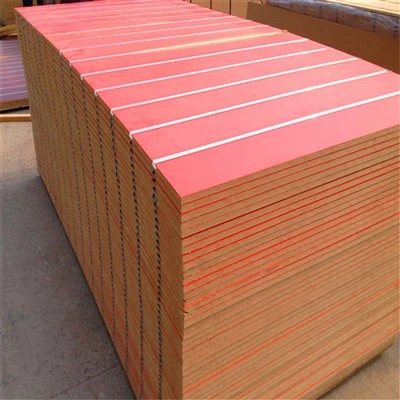
First, let’s get clear on what high-density MDF actually is, because that’s the foundation for understanding its uses. Unlike solid wood, which comes from harvested timber and can have knots, grain variations, and inconsistencies from tree to tree, MDF is made by breaking down hardwood or softwood residuals into fine wood fibers, mixing those fibers with wax and resin binders, then compressing them under extreme heat and pressure. The density classification is key here: standard MDF usually lands between 500 to 800 kg per cubic meter, while high-density MDF clocks in at 800 to 880 kg per cubic meter—dense enough to feel solid when you lift a sheet, strong enough to hold screws without splitting, and stable enough to resist warping in most indoor environments. For anyone who’s dealt with solid wood that twists after a few months in a humid kitchen, that stability is a game-changer. High-density MDF doesn’t expand or contract nearly as much as solid wood or even particleboard, which makes it a predictable material to work with for both small hobbyists and large-scale contractors.
Now, let’s dive into the most common uses, starting with the industry that’s our biggest customer: custom cabinetry and millwork. When I first started in this business, most cabinet makers swore by solid maple or oak for their durability, but over the past 15 years, high-density MDF has taken over 60% of the cabinet orders we supply, and for good reason. One of the biggest advantages for cabinet fronts and cabinet boxes is its uniform density and smooth, non-porous surface. Unlike solid wood, which has a textured grain that can leave brush marks or uneven layers when painted, high-density MDF takes paint incredibly evenly—no grain bleed-through, no rough patches, just a flawless, smooth finish that holds up for years. I recently worked with a custom kitchen shop that completed 120 cabinet sets for a new residential development, and they specified high-density MDF for every single cabinet door and drawer front because their painters could get a perfect finish on half the time they spent on solid maple. It’s also strong enough to support the weight of heavy doors, drawers, and countertops; when screwed properly, the high density means the screw won’t pull loose over time, even with daily use. We do recommend a quick edge seal for cabinets that will be exposed to regular moisture, but for indoor kitchen and bath cabinets, it’s far more reliable than standard MDF or particleboard, which tend to swell at the edges if they get wet.
Next up, furniture manufacturing, which is another huge segment for our supply business. From bedroom dressers to office desks to TV stands, high-density MDF is the go-to material for mass-produced and custom furniture alike. Let’s be real: solid wood furniture is beautiful, but it’s also expensive, heavy, and prone to moving with temperature changes. High-density MDF is lightweight enough to make furniture easy to transport and assemble, but durable enough to handle daily wear and tear. For office furniture, in particular, it’s ideal for desk surfaces, bookshelves, and drawer sides—its uniform thickness means no warped shelves that sag under heavy textbooks or files. I also work with a small furniture maker who specializes in mid-century modern style pieces; they use high-density MDF for their curved headboards and rounded table edges because it machines so cleanly. You can cut, shape, sand, and rout high-density MDF without tear-out, which is crucial for getting those sharp, clean lines that modern furniture design demands. Even for upholstered furniture frames, some manufacturers use high-density MDF instead of solid wood for the back panels and side supports, because it doesn’t warp and creates a flat surface that holds fabric taut without bulging.
Then there’s architectural millwork and decorative interior elements, which is where high-density MDF really shines for high-end residential and commercial projects. Think crown molding, baseboards, wainscoting, door casings, and decorative trim—all of those elements you see in a hotel lobby or a luxury home that look like solid carved wood, but are actually MDF. The smooth, uniform surface of high-density MDF means it can be shaped into intricate profiles with precision, and it doesn’t have the knots or grain variations that can ruin a long piece of trim. For contractors doing large commercial projects, like office buildings or retail spaces, high-density MDF trim is perfect because you can order long, custom lengths without waiting for solid wood to be milled. It also takes primer and paint so well that it mimics the look of solid wood trim, but at a fraction of the cost. I recently supplied a project for a new downtown boutique hotel that used high-density MDF for all their interior wainscoting, door frames, and decorative wall panels. The project manager told me that by switching to MDF, they cut their trim and millwork budget by 40%, and the finished look was indistinguishable from solid oak trim to most guests. That’s the kind of value that makes our customers come back year after year.
Commercial interior fit-outs are another key use case that many people don’t think about, but that makes up a big part of our bulk orders. When a retail store, restaurant, or office is being renovated on a tight timeline, high-density MDF is the material of choice for partition walls, cubicle panels, store fixtures, and point-of-sale displays. Because it’s pre-cut to size at our warehouse, our customers can get their MDF sheets delivered in 24 to 48 hours, which is a huge benefit when construction schedules are tight. For example, a local coffee chain we supply just opened three new locations in six weeks, and they used high-density MDF for all their countertops, shelving, and display cases. It’s durable enough to handle spills, heavy mugs, and regular cleaning, and it can be laminated, veneered, or painted to match any brand aesthetic—from bright, modern colors to a wood grain finish that looks like solid hardwood. Unlike particleboard, which can crumble if it gets wet or scratched, high-density MDF holds up well to the wear and tear of high-traffic commercial spaces, making it a smart investment for businesses that want a polished look without the high cost of solid wood.
We also can’t forget about custom signage and display materials, a niche but growing use for high-density MDF. Sign makers love it because it’s easy to cut with CNC routers, it takes vinyl wraps, paint, and permanent ink perfectly, and it’s rigid enough to stand on its own without bending. Whether it’s a small storefront sign, a large trade show display, or a custom wall sign for a corporate office, high-density MDF provides a stable, flat surface that won’t warp over time, even if it’s installed outdoors (as long as it’s properly sealed). I’ve had sign makers tell me that they switched from plywood to high-density MDF a few years ago because plywood can have voids that show up when you print or vinyl wrap it, but MDF’s uniform structure means every sign comes out smooth and professional. It’s also more consistent in color when painted, so sign makers don’t have to spend extra time sanding and priming to get a uniform finish—another time and cost saver for their businesses.
Now, let’s address a common concern we hear from new customers: is high-density MDF only for indoor use? That’s a question we get all the time, and it’s fair. While it’s more moisture-resistant than standard MDF, we still recommend avoiding uncoated high-density MDF in areas with constant, direct exposure to water, like exterior siding or bathroom shower walls. That said, if you seal it properly with a high-quality exterior paint or marine-grade sealant, it can be used for outdoor projects like garden planters, outdoor furniture frames, or exterior trim that’s protected from direct rain. We supply a local landscape design company that uses high-density MDF for custom raised garden beds; they seal the edges and top with two coats of exterior epoxy, and the beds have held up for three years without warping or rotting, which is way better than the cedar they used before. It’s a great, cost-effective alternative for outdoor projects that don’t need to withstand constant submersion in water.
As I’ve talked about these uses, you might be noticing a common thread: high-density MDF’s biggest strength is its consistency. When a customer orders a 4×8 sheet of high-density MDF, they know exactly what they’re getting—no knots, no uneven density, no surprises when they cut or paint it. For small hobbyists and DIYers, that means less frustration when working on a project; for contractors and large manufacturers, that means fewer delays, less waste, and a higher quality finished product. That’s why we’ve built our entire supply model around delivering consistent, high-quality high-density MDF on time, every time. We source our wood fibers from sustainable, local suppliers, so we can ensure the material is eco-friendly (many of our customers care about that, too) and we test every batch for density and stability before it leaves our warehouse.
At the end of the day, high-density MDF isn’t a “cheap alternative” to solid wood—it’s a specialized engineered wood product that’s designed for specific jobs where consistency, durability, and finish quality matter. If you’re working on a cabinet project, a custom furniture piece, a commercial fit-out, or a signage project, it’s worth considering how high-density MDF can save you time, money, and hassle, without sacrificing the finished look you want.
If you’re ready to source high-density MDF for your next project, or you have questions about grades, sizes, or coatings that would work best for your needs, we’d love to chat. Our team has decades of experience working with cabinet makers, furniture manufacturers, contractors, and DIYers, and we can help you find the right product for your specific project requirements.
Melamine Board References:
- American Wood Council. (2022). Engineered Wood Products Specification Guide. Washington, D.C.: American Wood Council.
- Wood Industry Manufacturers Association. (2021). Medium-Density Fiberboard (MDF) Technical Data and Applications. Chicago, IL: Wood Industry Manufacturers Association.
- National Kitchen & Bath Association. (2023). Cabinetry Material Selection Guide for Residential Projects. Hackettstown, NJ: National Kitchen & Bath Association.
- U.S. Department of Energy. (2020). Sustainable Engineered Wood Products for Commercial Construction. Washington, D.C.: U.S. Department of Energy.
Lisen Wood Industrial Shouguang Co., Ltd.
Lisen Wood Industrial Shouguang Co., Ltd. is one of the most professional mdf board manufacturers and suppliers in China, featured by quality products and low price. Please rest assured to buy discount mdf board from our factory. Welcome to contact us for quotation and free sample.
Address: Nongsheng road, shouguang,shandong province, china
E-mail: liuzhenxi@lisenboard.com
WebSite: https://www.sglswood.com/
