If you’ve ever wondered if reverse osmosis (RO) water systems make sense for commercial spaces, let me cut to the chase: yes—they absolutely do. As an RO system supplier who’s worked with cafes, manufacturing plants, medical clinics, grocery stores, and small to mid-sized office complexes over the last 12 years, I’ve seen firsthand how a well-sized, properly maintained RO system solves a long list of commercial pain points that tap water or basic filtration just can’t address. This isn’t some flashy new tech trend, either; RO has been a workhorse in industrial settings for decades, and adapting it for regular commercial use is more practical—and cost-effective—than many business owners realize. Reverse Osmosis Water System
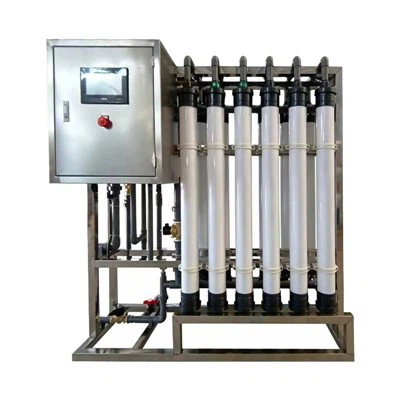
Before diving into commercial applications, let’s get on the same page about how RO works, because it’s different from the under-sink filters many people have at home. Home RO systems typically have a small membrane, producing just 50 to 100 gallons of water per day, with a lot of waste water (called “reject” water) leftover. Commercial RO systems are built to scale: they have larger membranes, higher-pressure pumps, and control systems that adjust for peak demand, so they can produce thousands of gallons of water daily without wasting more than necessary. The core process is the same, though: water is pushed through a semi-permeable membrane with tiny pores (about 0.0001 microns) that block 95 to 99% of contaminants, including the ones that plague commercial water supplies: lead, chlorine, nitrates, pesticides, bacteria, and dissolved solids like calcium and magnesium (that’s the “hard water” that clogs pipes and breaks down equipment).
The first question I get from commercial clients is almost always: “Is RO water clean enough for my specific business?” The answer depends on your needs, but the short version is this: if your business relies on consistent, pure water, RO is the gold standard for most industries. Let’s break down real-world use cases, because that’s where the rubber meets the road for commercial operators.
Take food service businesses, like cafes, restaurants, and packaged food operations. Tap water for coffee, tea, or espresso is a common culprit for inconsistent drinks. I once worked with a specialty coffee shop downtown that was getting complaints from regulars about their lattes tasting “off.” They were using filtered tap water, but the chlorine in the city supply was reacting with the coffee beans, and the dissolved solids were creating a chalky residue that muddled the flavor. After switching to a commercial RO system, their extraction times became consistent, their baristas no longer had to adjust brew ratios daily, and customer reviews of their lattes improved within a month. For packaged food makers, RO water is non-negotiable: it ensures the same taste across every batch of sauce, snack, or pre-packaged meal, and it eliminates the risk of contaminants like E. coli or heavy metals that could lead to food safety recalls. The FDA and food safety agencies widely endorse RO as a valid water treatment for commercial food production, because it meets strict purity standards.
Next, medical and dental offices. These settings can’t cut corners on water quality. Dental offices use water for handpieces, sterilizing equipment, and even patient rinses; medical clinics rely on pure water for diagnostics, wound care, and lab testing. Tap water has traces of metals, bacteria, and chemicals that can interfere with lab results, damage delicate dental tools, or even cause infections if water comes into contact with open wounds. A pediatric clinic I partnered with had issues with their sterilization cycles: hard water from their local supply was leaving mineral deposits on autoclaves, reducing their lifespan by 20% and increasing their maintenance costs. Installing a commercial RO system fixed that, and also eliminated the chlorine taste from the water cooler in the waiting room, which had been a recurring comment in patient feedback forms. For medical settings, RO isn’t a luxury—it’s a requirement to meet OSHA and Joint Commission standards for water quality.
Then there are industrial and manufacturing businesses. Think car washes, textile plants, chemical mixing facilities, or even gyms with large pools. Hard water is one of the biggest headaches here: it clogs pipes, scales boilers, ruins raw materials, and increases energy use. A local car wash chain I worked with was spending $800 a month on chemical cleaners to fight water spots on cars, and their high-pressure pumps were failing every 18 months due to mineral buildup. Switching to an RO system for their cleaning water cut their chemical use by 65% and extended pump lifespans to 4 years—saving them over $12,000 a year in replacement and maintenance costs. Textile plants, meanwhile, use RO water to avoid discoloration in fabrics from tap water contaminants; chemicals in tap water can react with dyes, leading to uneven coloring and wasted material. For these businesses, the ROI on a commercial RO system is often less than two years, because the cost savings on maintenance, chemicals, and waste alone offset the upfront and operational costs.
Now, let’s address the elephant in the room: the downsides, because I don’t want to oversell this. A lot of business owners have heard the myths: RO wastes too much water, it’s expensive to maintain, it’s too complicated to operate. Let’s be honest—those were valid criticisms of early commercial RO systems, but modern technology has fixed most of these issues. Back in the day, RO systems would produce 3 to 4 gallons of reject water for every 1 gallon of pure water. Newer systems, especially the high-efficiency models we install, use 1.5 to 2 gallons of reject water per gallon of product water, and that reject water is actually reusable: it can be plumbed into a building’s toilet or irrigation system, turning a perceived waste into a resource. Most clients of mine do this, cutting their water waste by another 80% or more.
As for cost: a commercial RO system’s price varies based on size, output, and features, but for most small to mid-sized businesses, it’s a fraction of the long-term costs of equipment replacement, product waste, or compliance fines. Maintenance is also simpler than many think: modern systems have automatic filters that change on a set schedule, and membrane replacements only need to happen every 3 to 5 years, with a routine service check every quarter for most small setups. We even offer remote monitoring for larger systems, so we can catch a clog or pressure drop before it causes an issue—no emergency service calls in the middle of a busy lunch rush.
Another common concern: what about minerals? Home RO systems often strip out beneficial minerals like calcium and magnesium, which can leave water tasting “flat.” For commercial settings, we rarely use standard RO membranes alone—we pair them with a remineralization filter that adds back a small, balanced amount of minerals. That means the water tastes great for coffee or for office coolers, but it still has the high purity you need for equipment or food production. It’s a small adjustment that solves most of the taste complaints I hear, and it doesn’t affect the performance of the RO system.
Wait a minute—what about businesses with very large daily water needs, like a hospital or a 24-hour manufacturing plant? Can RO keep up? Absolutely. We’ve installed systems that produce 100,000 gallons of pure water per day for hospitals and beverage production facilities, with redundant pumps and membranes that mean if one part needs service, the rest can keep operating. For these larger operations, we also work with clients to integrate the RO system into their existing water treatment setup, combining it with UV sterilizers or carbon filters for even more protection. The key is sizing the system correctly for peak demand, not just average use—something we prioritize in every consultation.
I also want to talk about sustainability, because that’s a huge priority for most commercial owners now. A 2023 study from the Water Research Foundation found that commercial RO systems can reduce a business’s overall water footprint by up to 40% when paired with reject water reuse. For food service businesses, that also means less water used to clean equipment and less waste from spoiled products due to inconsistent water quality. The energy use of modern RO systems is also far lower than it was a decade ago—new high-efficiency pumps cut energy costs by 30% or more, so the system isn’t a drain on utility bills.
Let’s circle back to that coffee shop I mentioned earlier, because their story is typical. They purchased a 500-gallon-per-day RO system for $3,200. Their monthly water bill went up by $15 (thanks to the reject water reuse), but they cut their spending on bottled water for their office cooler by $40 a month, reduced coffee waste from bad batches by $120 a month, and saved $80 a month on cleaning supplies. Their total savings that year was over $2,800—meaning they almost broke even in the first year, and every year after that was pure profit from the system. That’s the ROI you can’t ignore for a small business.
Of course, RO isn’t right for every commercial space. If you’re a small office with 10 employees, a basic under-sink filter might be all you need—no need to install a whole-building RO system. If your business only uses water for handwashing, RO is overkill. But if you’re in a business where water quality affects your product, equipment, or compliance with regulations, RO is not just a viable option—it’s the most reliable, long-term solution available.
I’ve had clients come to me after trying other solutions, like reverse osmosis alternatives (nanofiltration, distillation, deionization) that either didn’t produce enough pure water or cost more to operate. Distillation, for example, produces great water but takes far more energy and time, making it unsuitable for high-demand commercial settings. Deionization (DI) is great for lab use but can be expensive to maintain for large volumes, and it doesn’t handle sediment or large contaminants as well as RO.
The key takeaway here is that commercial RO systems are scalable, adaptable, and cost-effective for almost any business that relies on consistent water quality. The biggest mistake I see business owners make is waiting for a problem (like a piece of equipment breaking, or food safety issues) to install a system. Proactive installation means you avoid those problems in the first place, and lock in the long-term savings that make RO worth it.
If you’re considering an RO system for your commercial space, the first step is a free consultation to assess your water needs. We can test your local water supply, calculate your daily water usage, and recommend a system that fits your budget and your specific requirements—whether you need a small system for a cafe or a large-scale setup for a manufacturing plant.
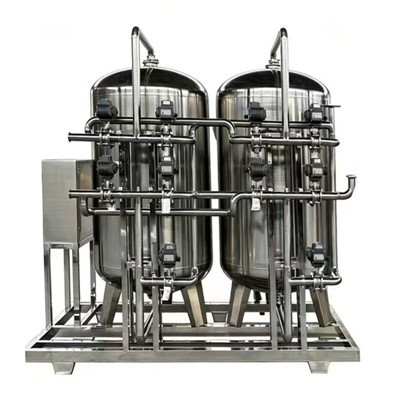
For more information about commercial reverse osmosis systems and how they can benefit your business, don’t hesitate to reach out for a consultation.
Membrane Filtration Equipment References
- Water Research Foundation. (2023). Commercial Reverse Osmosis: Performance, Water Efficiency, and Cost Analysis.
- U.S. Food and Drug Administration. (2022). Water Treatment Technologies for Food Processing and Packing Operations.
- Occupational Safety and Health Administration. (2021). Water Quality Standards for Medical and Dental Facilities.
- National Coffee Association. (2022). Water Quality Guidelines for Specialty Coffee Preparation.
- Car Wash Association of North America. (2023). Water Treatment Best Practices for Commercial Car Washes.
Shandong Yanuo Environmental Protection Equipment Co., Ltd.
We’re well-known as one of the leading reverse osmosis water system manufacturers and suppliers in China, featured by quality products and good price. Please rest assured to buy bulk reverse osmosis water system made in China here from our factory. Customized orders are welcome.
Address: North Side of the Road, 1,000 Meters West of the Intersection of Fenghuangshan West Road and Provincial Highway S102, Wangfu Subdistrict, Qingzhou City, Weifang City, Shandong Province.
E-mail: ynhb.499973983@gmail.com
WebSite: https://www.zkyaruo.com/
