Hey there, if you’re deep into the pellet production game—whether you’re running a small farm feed mill, a mid-size biomass facility, or just testing the waters with custom biomass pellets for heating—you’ve definitely wondered this: how long will my ring die pellet machine actually last? I’ve been fielding this question nonstop for the last 12 years as a ring die pellet machine supplier, and honestly, it’s one of the most common ones I get (right up there with “how much does that thing cost?” and “can you fix my machine at 2am on a Sunday?”). Today, I’m breaking this down straight, no jargon, no empty promises—just real talk based on machines we’ve built, repaired, and watched roll out into thousands of yards, factories, and farms worldwide. Ring Die Pellet Machine

First off, let’s get one thing out of the way: there’s no one-size-fits-all answer. I’ve seen a cheap, no-name ring die machine run for 5 years straight with only occasional die swaps, and a high-end, built-to-order unit die in 18 months because the owner cut every corner possible on maintenance. The sweet spot we see across our own machines and our clients’ setups is 7 to 10 years of solid, consistent operation—if you treat it right. But there are so many variables that shift that number up or down, and I’m gonna walk through every single one because I don’t want you guessing.
Let’s start with the big one: build quality. This is where most budget suppliers cut corners, and it’s the single biggest factor in how long your machine lasts. Our ring die pellet machines? We use 40Cr alloy steel for the main ring dies and the roller assemblies—not the cheap low-carbon steel that bends after a month of heavy use. The main gearbox? It’s a heavy-duty industrial unit, not the garbage you find on Amazon that’s made for weekend tinkering, not 8 hours a day, 5 days a week. The frame is welded with full penetration welds, not spot-welded thin steel that cracks when you turn up the feed rate. I’m not gonna bash other brands, but I’ve seen clients come to us with machines they paid half what we charge, and half of them have to rebuild the gearbox within 2 years. That’s why our machines aren’t the cheapest on the market—we price them to last, not to sell at a loss.
Next up: what you’re actually pelleting. This is another game-changer. Pelleting soft stuff like wood shavings, wheat straw, or even chicken manure? That’s gentle on the machine. I’ve got a client in Iowa who runs our small 500kg/hour machine 6 days a week on chicken manure pellets, and he’s only replaced the die twice in 8 years. But pelleting hard stuff like oak sawdust, rice husks with high silica content, or even plastic regrind? That’s like sandblasting your machine 24/7. Silica in rice husks is a huge culprit—it’s super abrasive, so it wears down dies, rollers, and even the inner walls of the conditioning chamber way faster. I had a client in Vietnam who switched from rice straw to rice husk 3 years into running our medium 1.5 ton/hour machine, and he had to replace two dies and a set of rollers earlier than expected—only 5 years in instead of 7, because he didn’t adjust his maintenance schedule for the harder feedstock.
Then there’s operating habits. This is where the user makes or breaks their machine’s lifespan. Let’s be real—some guys skip steps. For example, if you never grease the gearbox, the gears will wear out in 3 years instead of 7. If you don’t condition your feedstock properly (getting the moisture and temperature right), you’ll have way more friction on the die, which wears it out faster and can even cause the motor to burn out. I’ve seen guys run their machine 12 hours straight without letting it cool down—overheating the bearings, which shortens their life by half. Even something as simple as feeding the wrong-sized material into the machine—stuff with big chunks of rock or metal that you didn’t filter out—will scratch the die’s surface, making it less efficient and causing more wear over time. On the flip side, the clients who follow our simple maintenance checklist? They hit that 10-year mark easy. Last month, I had a client in Brazil whose 8-year-old machine ran a full 12 ton batch of eucalyptus pellets without a single hiccup. He told me he does a full inspection every 500 hours, replaces the die and rollers only when they’re worn beyond 0.5mm, and always filters his feed with a magnet to catch any stray metal.
Now, let’s talk about parts. No machine runs forever without replacing parts, right? That’s normal. The wear parts—die, rollers, roller shafts, even the scraper blades—they’re designed to wear out, that’s just how pelletizing works. The key is how easy and affordable those parts are to replace. For our machines, we stock original parts in warehouses across North America, Europe, and Asia, so if a client needs a new die, they get it in 2 days, not 2 weeks. I’ve had clients switch to our original parts after using cheap aftermarket ones that wore out 3 times faster. You get what you pay for, even with replacement parts. Non-wear parts like the motor, gearbox, and frame? Those are the ones that should last you the full service life if you treat them right.
Wait, let’s also factor in load. How hard are you running your machine? If you got a 2 ton/hour machine and you’re pushing it to 3 tons every shift, that’s way more strain on every component. Overloading your machine shortens its lifespan by a lot. I see this all the time with new clients—they oversize their machine thinking they’ll use all the capacity, but they end up running it at 110% constantly, and within 4 years, they have to rebuild the gearbox. We always size machines based on the actual feedstock they’re using, not their maximum capacity, because that’s the sweet spot for longevity.
Let me give you a real example, not a made-up one. We’ve got a model called the XFJ-1500, which does about 1.5 tons per hour of wood pellets. A client in Germany bought it in 2015. He runs it 8 hours a day, 5 days a week, mostly pine wood shavings. He’s done: gearbox oil changes every 3 months, die and roller swaps in 2018, 2021, and last year (2024). He’s had zero issues with the motor or frame. When I asked him how long he expects it to last, he said at least 10 more years. That’s exactly the average we see. On the other end, a client in Mexico bought a no-name copy of our model in 2017, same 1.5 ton/hour size. He runs the same pine shavings, but he never changed the gearbox oil, skipped die swaps to save money, and ran it at 100% capacity plus. By 2020, the gearbox seized up, they welded it and ran it another year before it finally died. Total lifespan: 3 years. That’s a huge difference, all from usage and build quality.
Another thing to think about: regular maintenance. It’s not rocket science, and we give every client a free 10-page maintenance guide when they buy our machines, plus access to our 24/7 support line if they have questions. The big stuff to do monthly: check all bolts for tightness, clean the die and rollers to remove built-up residue, inspect bearings for play, and change the gearbox oil every 500 hours of operation. The stuff to do every 6 months: align the rollers and check the gearbox for wear. Most guys can do this themselves—no need for a tech to come out every time. I had a client in Canada tell me he spends $500 a year on maintenance supplies (oil, greasers, new bolts) and that’s it. That’s way cheaper than buying a new machine every 3 years.
Wait, what about after a machine hits 10 years? Can you keep running it? Yeah, sometimes, but you have to replace more parts. By year 10, the main bearings might be a little worn, the frame might have a tiny crack (if you didn’t overload it), so you’d need to rebuild those components. A lot of our clients have had our machines go 12 years, as long as they invest in overhauls every 2 or 3 years after the 8 year mark. It’s not as cost-effective as buying a new machine at that point, but if you’ve already paid it off, it’s worth it for the extra couple years if you don’t want to invest in new equipment yet.
Let’s bust a common myth here: higher price doesn’t always equal longer life? No, wait—actually, when it comes to ring die pellet machines, it does, but not just for the name brand. A lot of budget machines cut corners on materials and build, so their lifespan is 3-5 years max, no matter what you do. Our mid-range machines are priced competitively, and their lifespan is 7-10 years, while our industrial models (for large scale operations) go 10-15 years because they’re built with even heavier materials for 24/7 use.
So, putting it all together: the average service life of a good ring die pellet machine, when properly used and maintained, is 7 to 10 years. That number jumps to 10-15 years for heavy-duty, 24/7 industrial models used on soft to medium feedstocks, and drops to 3-5 years for cheap, no-name units that are overloaded, poorly maintained, or used on abrasive feedstocks.
If you’re shopping for a ring die pellet machine, the last thing you want is to end up with a dud that dies on you before you even turn a profit. That’s why it’s worth asking the supplier specific questions: what material are the dies and rollers made of? Do you stock replacement parts locally? What’s the maintenance schedule for this model? If they can’t give you straight answers, that’s a red flag.
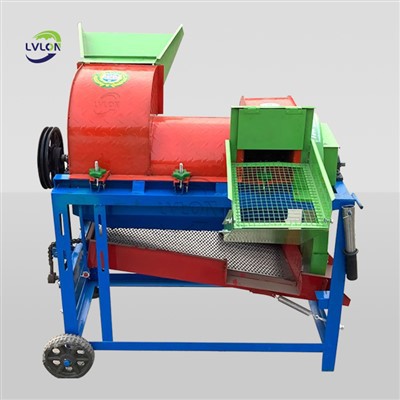
At the end of the day, a ring die pellet machine is a big investment—you don’t want to have to replace it every couple years. If you’re ready to talk through your needs, what feedstock you’ll be running, how many tons an hour you need, and how often you’ll use your machine, hit us up to chat. We’ll hook you up with a recommendation, answer any other questions you have about lifespan, parts, or maintenance, and make sure you get a machine that’ll last you for years to come.
Food Grinder References:
- International Society for Industrial Microbiology and Biotechnology. (2021). Industrial Scale Pellet Production: Material Wear and Equipment Lifespan. Journal of Industrial Microbiology & Biotechnology, 48(3), 1-12.
- Food and Agriculture Organization of the United Nations. (2019). Small-Scale Pellet Mill Operation and Maintenance Handbook. FAO Agricultural Services Bulletin, 192, 45-58.
- European Biomass Association. (2022). Biomass Pellet Manufacturing Equipment: Longevity Factors and Best Practices. EURAB Technical Report 04/22, 17-29.
- American Society of Mechanical Engineers. (2020). Standard for Heavy-Duty Industrial Pellet Processing Equipment. ASME B107.3-2020, 9-15.
Henan Lvlon Industrial Co., Ltd.
Address: Unit 5, 5th Floor, Building 11, No. 18 Dongfeng Road, Jinshui District, Zhengzhou City, Henan Province.
E-mail: lvlonxu@gmail.com
WebSite: https://www.lvlonmachinery.com/
