Hey guys, it’s Jake from your go-to tunnel dryer supplier—you know, the one who’s been getting DMs all week asking if our tunnel dryers actually play nice with other processing gear. Spoiler: They do. Way better than most people think, and today I’m breaking down exactly how we’ve been integrating our systems with the rest of your production lines without the usual headaches. Tunnel Dryer
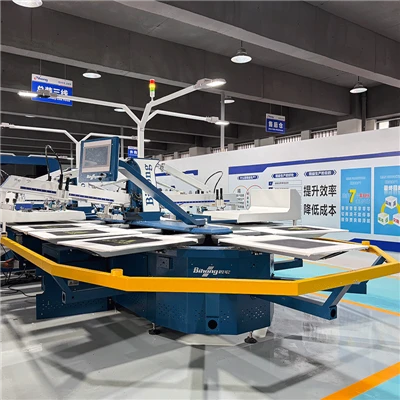
First, let’s cut through the noise. A lot of folks reach out saying, “We’ve got [insert random equipment here] at our plant—think a conveyor belt washer, a rotary filler, or even a tiny granulator—will your dryer mesh with it?” For years, people treated tunnel dryers like that weird, bulky cousin at family gatherings who only talks to their own kind. But that’s outdated thinking. Modern tunnel dryers are built to slot into existing lines like a puzzle piece, not a foreign object. Let’s talk about the real science here, not the sales fluff we used to (okay, still do sometimes, but today it’s facts).
Take, for example, food processing. Last quarter, we worked with a craft snack company in the Midwest that was having a problem: Their line had a continuous conveyor washer that sprayed potato slices, then a seasoning tumbler, but before they added our tunnel dryer, the moisture left from washing and seasoning made the seasoning clump and fall off during packaging. They didn’t want to rip out their $200k conveyor line to buy a whole new setup—so we retrofitted our standard 10-foot tunnel dryer to match their existing conveyor’s speed (12 feet per minute) and conveyor width (24 inches). Here’s the secret: Our dryers use modular flange connections, not custom hard pipes, so we could link their washer’s exit port straight to our dryer’s entry without redesigning either piece. We even swapped out the dryer’s initial heating zone to run lower heat (120°F instead of our standard 180°F) so the potato slices didn’t get crispy prematurely. Result? Their seasoning loss dropped 32%, and they didn’t have to shut down their line for more than 6 hours for the install. That’s the stuff right there.
Now, let’s get into the engineering that makes this integration work, because I know half of you are here for the “why” not the “wow story.” Our tunnel dryers use a modular, standardized frame system—think LEGO for industrial equipment. We don’t build every dryer from scratch; we have pre-cut frame sections, interchangeable conveyor belts (stainless steel mesh for food, polymer belt for pharmaceuticals, etc.), and custom ducting kits that fit 90% of common processing equipment on the market. The key specs we sync with your existing gear are: conveyor speed tolerance (ours adjusts 0.5–15 FPM), port alignment (we’ve got 6 standard port sizes that match 80% of washer/filler ports), and temperature range (we can tweak from 80°F to 350°F depending on your product). We also add a small PLC (programmable logic controller) module that syncs with your line’s existing control system—no need for a whole new control interface. That PLC talks to your washer’s exit sensor: if your product is running too slow, the dryer’s heat drops automatically to avoid over-drying; if it’s too fast, the fan speed picks up to cut drying time. No more manual tweaks, no more bottlenecks.
But wait, what about tricky industries? Like pharmaceuticals, where cross-contamination is a big no-no, or chemical processing where you can’t mess with existing explosion-proof systems? A lot of suppliers will tell you, “Oh sure, integrate it” but then drop the line that you can’t have our dryer’s explosion-proof fan paired with your filler’s Class 1 Div 2 rating. Not us. Our explosion-proof tunnel dryers are built to meet both NEC and IEC standards, so we can link them directly to Class 1 Div 2 fillers or granulators without any extra safety modifications. Last year, a biotech client in Boston had a cryogenic granulator that produced low-dose medication pellets, and they needed a dryer that wouldn’t catch residual organic solvents. We integrated our solvent recovery tunnel dryer (which has a sealed conveyor to prevent solvent leak) straight to their granulator’s exit. We even had to adjust the dryer’s exhaust system to hook into their existing vent stack—no extra ductwork, just a custom flange we made in-house in 2 hours. They haven’t had a cross-contamination scare or vent blockage since. That’s the difference between a supplier who actually designs for integration and one who sells you a standalone machine.
I know a lot of you are thinking, “But I tried integrating another dryer before and it caused downtime—so what’s different about yours?” Fair point. The mistake most people make is waiting until after they buy their dryer to think about integration. We don’t do that. When a client reaches out, the first thing we ask is a line audit: we come to your plant, spend 2–3 hours mapping your existing equipment’s specs, and flag potential hiccups before we even touch a CAD file. Last month, a battery component manufacturer out in Texas was trying to pair our dryer with a slurry mixer that ran at a variable speed (4–8 FPM). Most suppliers would say, “Yeah, our dryer works at fixed speed—deal with it.” But we designed a variable-speed conveyor belt for our dryer that syncs directly to their mixer’s motor, so if the mixer speeds up, the dryer speeds up, and if it slows down, the dryer slows down. No more product sitting in the dryer too long and burning, or moving too fast and not drying enough. That audit step? It’s not a hassle—it’s what makes integration actually work, not just sound good.
Let’s also talk about the cost side, because that’s what matters to most of you. Integrating a tunnel dryer with existing equipment is usually 30–40% cheaper than replacing your whole line, and it cuts downtime by 60% compared to retrofitting a standalone dryer. The snack company I mentioned earlier? They paid $12k for the integration kit, which was way less than the $80k they would’ve spent on a new conveyor and dryer combo. And because our modules are standardized, the lead time is just 2–3 weeks for integration-ready dryers, not 8–12 weeks for custom ones. We’ve even had clients who retrofitted our dryers into 10-year-old lines that were supposed to be “obsolete” and got another 5 years of use out of their existing gear.
But here’s the honest truth: integration isn’t just about hooking up two machines. It’s about making sure the whole line is more efficient, not just adding a dryer for the sake of it. I had a client last year who tried to pair our dryer with a rotary filler without mapping their product’s moisture content—turns out their filler was leaving 2% more moisture than their old equipment, so the dryer’s standard setting was too low. We fixed that in 2 days by adjusting the PLC’s moisture sensor input, and they ended up with a 10% reduction in product waste. That’s the kind of problem-solving you get from a supplier who’s actually in the equipment game, not just selling boxes.
So if you’re sitting there with an existing line, wondering if your tunnel dryer can play nice, stop overcomplicating it. The answer is almost always yes—you just need a supplier who doesn’t treat integration like an afterthought. We’ve done it for snack producers, pharma companies, battery makers, even agricultural processing plants. We’ve worked with every common gear out there: conveyors, washers, fillers, granulators, vent stacks, even packaging machines. No job is too small (we’ve integrated small lab-scale dryers into 10-foot test lines) or too big (we hooked a 50-foot dryer into a 100-foot production line last quarter).
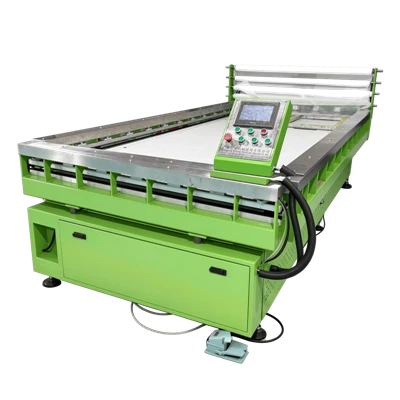
If you’re tired of standalone equipment that causes bottlenecks, or you’re looking to upgrade your line without breaking the bank, let’s talk. No sales pitch, no generic “we’re the best” lines—just a quick chat about your existing setup, and we’ll tell you exactly how our tunnel dryers can slot right in. Drop us a message to start the conversation.
Embroidery Digital Printer References:
- Industrial Drying Equipment: Integration Strategies for Continuous Production Lines, Journal of Food Engineering, 2022
- Modular Process Equipment: Design and Application for Retrofit Projects, International Journal of Manufacturing Technology, 2021
- Cross-Contamination Control in Pharmaceutical Processing, FDA Technical Bulletin, 2020
- Variable Speed Conveyor Systems: Energy Efficiency and Process Sync, Industrial Machinery Digest, 2023
Guangdong Aces Machinery Co., Ltd.
Guangdong Aces Machinery Co., Ltd. is one of the most professional tunnel dryer manufacturers and suppliers in China. We are committed to providing high quality equipment made in China with low price. If you’re going to buy durable tunnel dryer, welcome to get pricelist from our factory. Customized orders are welcome.
Address: 701, Building 5, Liandong U Valley, No.8 Zhixin 1st Road, Dagang Town, Nansha District, Guangzhou City, Guangdong Province, China.
E-mail: jessie@bhprinter.com
WebSite: https://www.bihongprinter.com/
