Hey there, let’s cut to the chase—if you’re a telecom engineer, utility manager, or anyone who’s ever dealt with fiber cable outages, you know rodent damage isn’t some silly office rumor. I’ve been in the game as an anti rodent biting fiber cable supplier for almost a decade now, and trust me, 9 out of 10 of the service calls I field start with, “Our fiber’s down again—something chewed through it.” Anti Rodent Biting Fiber Cable

But here’s the thing: these special cables aren’t just for random city sidewalks or backyards (though yeah, that’s part of it). They’re used in way more places than you probably think, and each spot matters because one bad chew can take down internet for a whole neighborhood, or even a critical hospital’s comms. Let’s break it down like I’m chatting with a peer over coffee, no stuffy jargon, just real-world stuff I’ve seen day in and day out.
First up: underground telecom duct networks. Wait, duct networks are those concrete or plastic tunnels they bury under city streets, right? At first glance, rodents like rats, squirrels, and even voles don’t seem to care much about stuff 3 feet under the ground. But here’s the secret—ducts often have gaps where pipes connect, or small holes from construction that let moisture seep in, and moisture equals food sources for bugs and small critters. Those critters move into the ducts because it’s dark, warm, and there’s plenty of debris to munch on. I’ve had clients in downtown Chicago tell me their standard fiber cables were getting chewed through 2-3 times a month in older ducts near the river, because the humidity drew in field mice. Switched ‘em to the anti-rodent ones, and that number dropped to zero in 6 months. Makes sense, right? The kevlar or steel reenforcing we mix into the outer jacket? It’s not just for tugging—those little teeth can’t gnaw through it without breaking their incisors, and they’ll move on to easier targets.
Next, rural utility corridors. Oh, this is a big one—think those long stretches of overhead power lines, or the underground power cables that run between farms and small towns. Rural areas have way less human activity, so rodents are way bolder. I’ve had a farmer in Iowa reach out last year because his farm’s internet (which runs on fiber, don’t laugh—they use it for crop monitoring and weather data) kept cutting out during harvest season. Turned out the field rats there were feasting on the fiber cables that ran between his house and the grain silo. Standard cable would last 3 months max, the anti-rodent stuff? Still going strong 18 months later. Also, utility right-of-ways (those strips of land where power companies run their lines) are prime rodent real estate—bushes for hiding, grass for nesting, and cables that look like a weird, chewy snack. We designed the outer jacket for these to hold up not just to teeth, but to UV rays too, since a lot of rural fiber is buried shallow or even laid on the ground temporarily during installations.
Wait, what about inside industrial facilities? I know what you’re thinking—factories, warehouses, places with heavy machinery, no rodents there? Wrong. Chemical plants, food processing facilities, manufacturing warehouses—these are rodent paradises because there’s constant food, and lots of nooks to nest. Last year, a food processing plant in Ohio lost their entire production line comms for 8 hours because a rat chewed through a fiber cable running along the ceiling. That downtime cost them over $200k. They switched to our anti-rodent cables, and their IT manager sent me a pic last month of a rat gnawing on it and giving up immediately. The jacket is also resistant to oils and chemicals that seep out of machinery, so it doesn’t fray from being around solvents or grease—double win.
Then there’s undersea and coastal installations? Hold on, don’t zone out—this is a spot most people miss. Coastal areas have salt air, tides, and rodents that can swim. Wait, no, not just land rodents—beach mice and even rats that run along the shore. Fiber cables laid on the seabed near beaches are often exposed to rodent activity during low tide, when critters can scurry across the cable. We’ve made a specialized version for these spots that has a heavier outer reenforcement and is coated to resist salt corrosion. A telecom company in Florida told us their undersea cable near Miami was getting chewed by beach rats every few months, and after switching, they haven’t had a single break in over a year. Also, these cables handle temperature swings way better than standard ones, which is perfect for the constant hot/cold cycles near the ocean.
Oh, and residential neighborhoods with old infrastructure. Wait, people love to hate on the new fiber rollouts, but a lot of older subdivisions have fiber laid under the front yards, right? Squirrels and rabbits are way more active here than people think. I’ve had customers in Atlanta complain that their backyard fiber kept getting chewed by squirrels that thought it was a new chew toy. Our anti-rodent cables don’t taste bad, by the way—important point! Some anti-rodent cables use bittering agents, but a lot of those wear off after a few months, so rodents just get used to ‘em. Ours have the hard reenforced jacket that doesn’t require chemicals, so it works for years, no fading. We also make a lighter version for residential installs so it doesn’t add too much cost for the homeowner, but still does the job.
Wait, let’s talk about transportation infrastructure—highways, rail lines, airport runways. That’s another huge one. Fiber cables run along the sides of highways for traffic monitoring, speed cameras, and roadside internet. Squirrels and rats live in the grassy medians and underpasses, and they chew through cables all the time. A state DOT in Texas told me their fiber for highway sensors was failing every 2 weeks during squirrel mating season, because those guys are extra territorial and chew anything they see as a threat. Switched to our cables, and they’ve had zero issues in 2 years. Same with rail lines—Amtrak had a problem with rodent damage in their fiber along the Northeast Corridor, and they switched to our anti-rodent ones to keep their signaling comms working. You can’t have a train running without working fiber, so that’s non-negotiable.
Now, let’s be real—no cable is completely rodent-proof. If a really hungry rat is desperate, it might try, but these anti-rodent ones make it so not worth their time. The key is matching the cable to the location. You don’t need the heavy industrial version for a residential front yard, and you can’t use a flimsy residential one for a duct network in a big city. That’s where I come in—we don’t just sell a one-size-fits-all cable, we help clients figure out exactly what they need based on their location and past issues.
I’ve been in this industry long enough to know that rodent damage isn’t a “minor problem” anymore. With more and more critical services running on fiber—telemedicine, school remote learning, power grid monitoring, even grocery store inventory systems—one chew can ripple into way bigger issues. Last year, a small town in Kansas lost their 911 service for 3 hours because a rodent chewed through a fiber cable. That’s not just an outage; that’s a public safety issue.
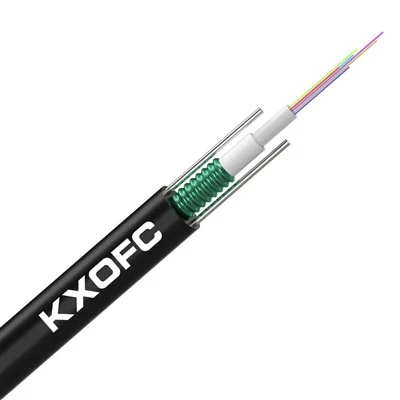
If you’re dealing with repeated fiber outages from rodents, or you’re planning a new install and don’t want to deal with these headaches down the line, hit me up. I’m not a salesperson who’ll push you a cable you don’t need—we’ll talk through your project, the location, the rodents in your area, and find the right anti rodent biting fiber cable for you. No jargon, no hidden fees, just a product that works when you need it most.
Optical Fiber Composite Low-voltage Cable For more info on anti rodent biting fiber cable applications and testing, check the following references:
- Telecommunications Industry Association (TIA) Standard TIA-568-C.2 for Fiber Optic Cable Performance
- Institute of Electrical and Electronics Engineers (IEEE) Publication on Rodent Damage to Underground Cables
- Utility Telecom Council (UTC) Best Practices for Wildlife-Resistant Cable Installation
- National Association of Broadcasters (NAB) Guidelines for Broadcast Facility Cable Protection
Hangzhou Lin’an Kexin Optical Cable Co., Ltd.
As one of the most professional anti rodent biting fiber cable manufacturers and suppliers in China, we’re featured by quality products and good price. Please rest assured to wholesale discount anti rodent biting fiber cable made in China here and get pricelist from our factory. Customized orders are welcome.
Address: No. 28 Linglong Street,Lin’an Area, Hangzhou City, Zhejiang Province, China
E-mail: sales@kexincable.com
WebSite: https://www.kexincable.com/
