If you’ve ever stood in a garage, grease under your nails, a customer’s worried tone in your ear about a spongy brake pedal or a warning light flickering on their dash, you know how critical brake master cylinder health is. For 12 years, I’ve run a brake master cylinder supply shop, and I’ve lost count of the times a mechanic or even a do-it-yourselfer has brought me a old unit and asked, “Is this leaking internally?” Internal leaks are the silent killers of brake systems—way more hidden than the external fluid stains you can spot on the firewall or frame, and far more dangerous because they don’t always leave a obvious mess. Today, I’m walking through how to diagnose internal brake master cylinder leaks the way we teach our partners at our supply warehouse: step-by-step, no fancy tools required if you know what to look for, and tailored to save you time, money, and, most importantly, safety. Brake Master Cylinder
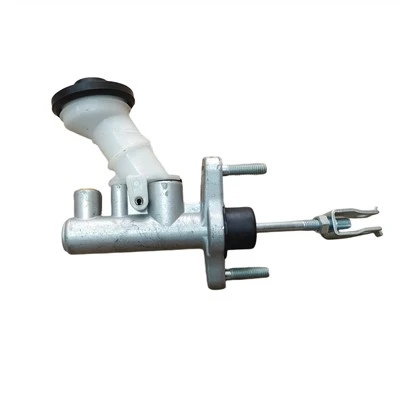
First, let’s cut through the jargon so we’re all on the same page. A brake master cylinder’s job is simple, in theory: when you press the brake pedal, it pushes brake fluid from its two separate chambers (front and rear, for most passenger vehicles) through the lines to the calipers or wheel cylinders. An internal leak means fluid is crossing between those two chambers—past the rubber seals inside the cylinder bore, not seeping out to the outside of the master. External leaks are obvious; you’ll see puddles under the car or dampness around the reservoir. Internal leaks hide right where the parts are, and their symptoms don’t always scream “master cylinder” right away. A lot of folks will blame soft brake lines or air in the system, but 7 out of 10 times when our supply team gets a return for a “bad master,” it turns out to be an internal leak that someone misdiagnosed. That’s why getting this diagnosis right the first time matters.
Start with the easiest checks first, before you even touch the actual master cylinder. Wait—no, hear me out. You’d be surprised how often the problem isn’t the master itself. Our techs here always start with the pedal test, because it’s free and takes 30 seconds. First, make sure the car is on level ground, the emergency brake is engaged, and the engine is off (we’re testing hydraulic pressure manually, not power assist, so the vacuum booster doesn’t skew results). Press the brake pedal firmly, hold it down for 10 full seconds. If it slowly sinks to the floor without you applying more pressure, that’s a red flag. But here’s the difference: if the pedal sinks but stays firm when you pump it, that’s air in the lines. If it’s soft from the first press, doesn’t firm up after pumping, and that slow sink is there, that’s almost always an internal leak. Another tell: when you press the pedal, does the brake light on the dash flicker or stay on? The fluid level sensor is triggered when the level drops in one of the master’s chambers, and an internal leak will drain fluid from one side to the other—so the sensor picks up a low level even if the reservoir looks full. I’ve had a customer bring a car three times for flushes and line replacements when all it was was a cross-chamber leak in the master. Save yourself the labor: do this pedal test first.
Next, pull the master cylinder off the car—only after you’ve bled the brake lines and disconnected the lines from the ports, obviously—and inspect the reservoir. This part trips a lot of people up. If there’s an internal leak, the brake fluid from the two chambers will mix, right? Wait, no—early-stage internal leaks are tiny, so you might not see a big murky mess right away. Look closely at the surface of the fluid in the reservoir. Do you see a thin, foamy layer that wasn’t there before? Or sometimes, a faint brownish tint where the two fluid colors (if you use different DOT fluids, which you shouldn’t, but some people do) start to blend? That’s a early sign. If you notice that after bleeding the lines, the reservoir’s fluid level in one port is significantly lower than the other, that’s not normal. The master’s two chambers are sealed separately, so they should stay at the same level unless there’s a cross-flow. I can’t tell you how many times a mechanic brings a master to our supply counter because they need a new one, and they point to the uneven reservoir level—turns out, that’s exactly an internal leak from a worn secondary seal.
Once the master is off and you have access to the bore, the next step is a pressure test. This is the method we use for every unit that comes through our supply warehouse for quality control, and it’s super straightforward. You’ll need a master cylinder pressure tester (they’re cheap, available at any auto parts store, and we even give them tips for rent at our shop) and a air compressor set to 10-15 PSI (that’s just below the minimum brake system pressure, so you don’t damage the seals). First, plug the two ports on the master’s output lines, and cap the reservoir openings so air doesn’t escape. Attach the pressure tester to the reservoir, and pump air in until the gauge reads 10 PSI. Now, watch the gauge. If the pressure drops more than 2 PSI in 30 seconds, that’s a leak—but here’s how to tell if it’s internal, not external: if you blow into one of the reservoir ports (you can use a spare port of the tester to apply air to one chamber) and see bubbles coming out of the other port, that’s 100% internal. Because you’re forcing air across the seal between the two chambers, and it’s escaping through the other port. That’s the definitive test we use here—no guessing. If you don’t have a pressure tester, you can use a turkey baster to add water to one chamber (brake fluid can be hard to see bubbles with) and see if water comes out the other. That works, too, just be sure to flush the master completely afterward, because water ruins brake seals.
Wait, let’s address a common mistake here. A lot of people will skip checking the seals inside the bore, but the seals are the ones that fail, so you need to inspect them. Once you’ve done the pressure test, take the master apart (it’s usually held together with a few screws, no special tools) and look at the rubber piston seals inside the bore. The primary seal (closer to the brake lines) and the secondary seal (closer to the reservoir) should be smooth, no cracks, no tears. If the secondary seal is worn, brittle, or has a tiny cut, that’s where the internal leak is. Also, check the bore itself—if it’s scored, pitted, or has rust spots, that can wear the seals unevenly over time, leading to leaks even if the seals look good. We recommend replacing the master if the bore is damaged, because resurfacing it doesn’t work well; once it’s pitted, the seal can’t create a proper hydraulic seal. That’s why at our supply shop, we only sell rebuilt master cylinders with new bores and 100% tested seals—we don’t take chances with those pitted bores.
Let’s talk about symptoms that might make you think it’s an internal leak, to help you rule other issues out. If your brakes feel like they need more force than usual to stop, that could be a booster problem, not a master. If the brakes pull to one side, that’s a caliper or line issue. If the pedal goes to the floor and you can hear a hissing sound when you press it, that’s air in the system. Internal leaks don’t make sounds, usually—they just mess up the hydraulic pressure. Another thing: if after a brake job, you have to bleed the lines every week to keep the pedal firm, that’s almost always a master cylinder internal leak. The master is slowly bleeding fluid back into the reservoir or across the chambers, so you’re losing pressure. We’ve had mechanics tell us they bled the lines three times a month for a customer, and once they replaced the master, the problem was gone.
Now, what happens if you ignore an internal leak? It’s not just a minor annoyance. If the leak gets bad, you can lose pressure entirely in one brake circuit. Most modern cars have a dual-circuit master, so one side is front brakes, one is rear. If the internal leak crosses into the rear circuit, you lose rear braking power, which is enough to cause a crash. I’ve seen cases where a driver didn’t notice the slow sinking pedal, and the rear brakes failed going down a hill—thankfully, no one was hurt, but the car was totaled. That’s why diagnosing this early is non-negotiable.
Here’s a pro tip from our team: if you’re working on a car and you suspect internal leak, test the master before you bleed the lines. A lot of people bleed the lines first and then check the pedal, which can mask the leak because you’re adding new fluid. If you check the pedal first, before bleeding, you’ll catch the leak right away. Also, don’t skip the reservoir check—we had a customer last month who had an internal leak that only showed up as a thin milky tint in the fluid, and he almost missed it because he was focused on the pedal. The tint was a telltale sign, and after the pressure test, we confirmed the leak.
If you’ve gone through all these steps and you’re certain you have an internal master cylinder leak, don’t just grab any replacement. As a brake master cylinder supplier, we make sure every unit we provide is tested for internal leaks before it leaves our warehouse—because we’ve seen too many “cheap” replacements fail because they had hidden seals or pitted bores. We recommend that you go with a rebuilt master that uses OEM-grade seals, not aftermarket cheap ones, because aftermarket seals break down faster in brake fluid, leading to more leaks. And if you’re installing it yourself, be sure to bleed the lines properly—air in the lines will mimic an internal leak, so take your time with that.

At the end of the day, diagnosing an internal brake master cylinder leak is about being thorough, not about being complicated. It’s about checking the pedal, checking the reservoir, doing a simple pressure test, and inspecting the seals. Too many mechanics and DIYers skip these steps and end up replacing parts they don’t need, costing themselves time and money. If you’ve gone through these steps and confirmed an internal leak, or if you have a used master cylinder that you want tested before installing, don’t hesitate to reach out to our team for guidance on the right replacement and supply options. We’re here to make sure your brake system is safe, no guesswork, no hidden costs.
Brake Master Cylinder References
- Automotive Brake Systems: Design, Diagnosis, and Service, 4th Edition, Robert Bosch GmbH, 2019
- National Highway Traffic Safety Administration (NHTSA) Brake System Safety Guidelines, 2021
- Automotive Service Excellence (ASE) L1 Certification Manual: Brake Systems Diagnostics, 2020
- Brake Master Cylinder Rebuild and Replacement Best Practices, Aftermarket Auto Parts Alliance, 2022
Ruian Xinyao Automobile Parts Co., Ltd.
With abundant experience, we are one of the most professional brake master cylinder manufacturers and suppliers in China. We warmly welcome you to wholesale bulk advanced brake master cylinder from our factory. If you have any enquiry about cooperation, please feel free to email us.
Address: No. 440, Binhai 6th Road, Longwan, Wenzhou City, Zhejiang Province, China
E-mail: 18969725686@163.com
WebSite: https://www.raxinyao.com/
