Hey everyone, I’m gonna keep this real—for anyone working in healthcare, you know how stressing needlestick injuries (NSIs) are. I’ve been in the needle-free connectors (NFCs) game for years, so when people ask me straight up: “Can these things actually prevent needlestick injuries?” I don’t sugarcoat it. Let’s break this down like we chat in the break room, no boring jargon unless it matters. needle free connectors
First, let’s get on the same page about what NSIs actually are, ‘cause it’s not just “a nurse pricked their finger.” OSHA (you know, the safety guys) tracks this, and last I checked, over 380,000 of these happen in U.S. healthcare every year alone. That’s like a whole hospital full of workers getting hurt annually. Most of these come from when you’re accessing IV lines—when someone’s fumbling with a blunt needle, or a sharp stylet, or just rushing ‘cause a patient’s BP is dropping. And let’s be honest, the old way—twisting a needle into a standard needle hub? That’s a recipe for a oops moment. I’ve heard horror stories: a phlebotomist had a tiny stab, ended up with hepatitis C, couldn’t work for months. Or a new nurse, tired after a 12-hour shift, nicked themselves putting a sample into a lab tube, had to do weeks of HIV post-exposure prophylaxis. Scary stuff, right?
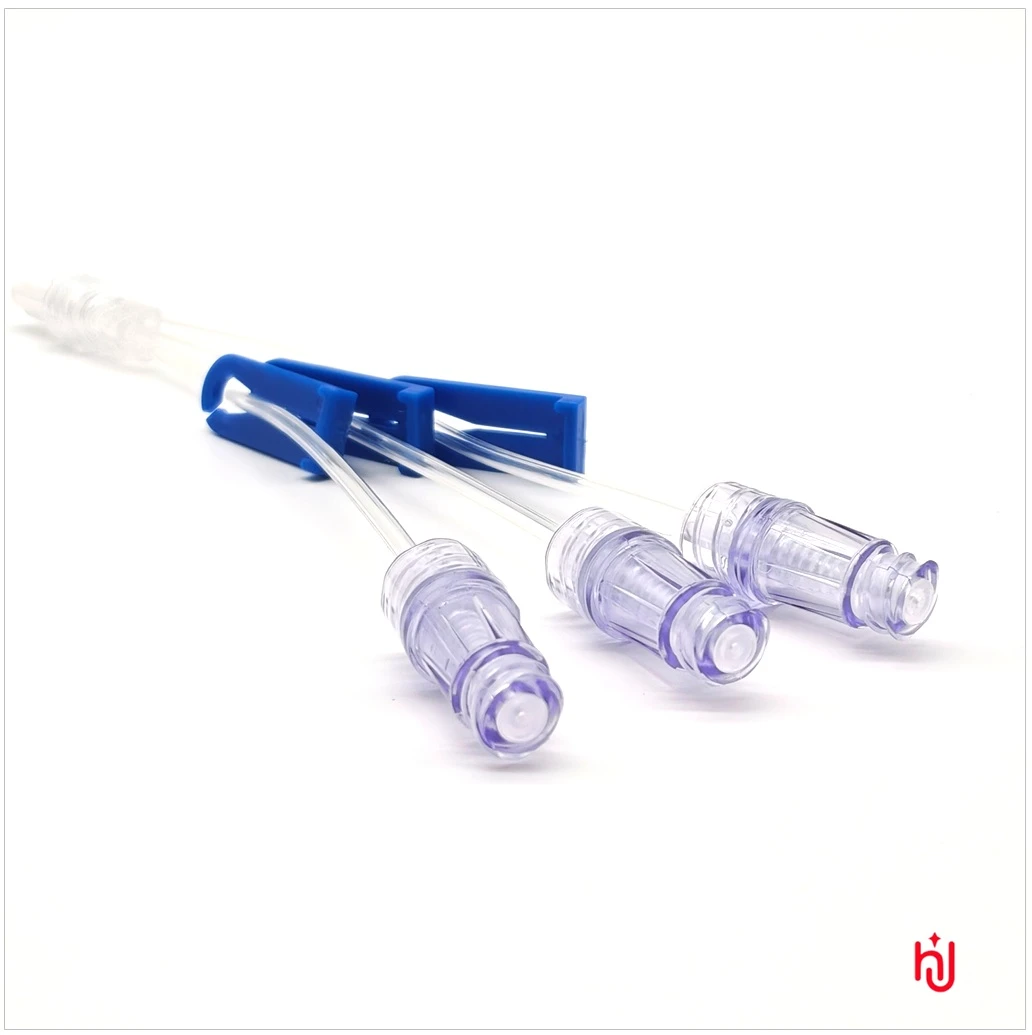
Now, what’s a needle-free connector? It’s exactly what it sounds like—you don’t need a sharp needle to access an IV line, fluids, meds, whatever. They click or twist into place, no sharp parts sticking out where you don’t want ‘em. But here’s the question: does this actually stop NSIs, or is it just a marketing gimmick? Let’s talk real data, not the sales fluff. I’ve sat in on study after study at different hospitals, and the general consensus is solid—NFCs reduce NSIs related to IV access by like 60-80% compared to standard needle hubs. Wait, why? Let’s break the why, ‘cause that’s the good part. No more loading a sharp needle into a hub, holding it at an angle, praying you don’t slip. The NFC is a closed system—all the parts are either covered or click into a secure position before you even touch anything with a sharp tool. That eliminates the “needle stick during line access” risk dead in its tracks. But wait, I know what some folks are thinking: “What about when I flush the line? Or change the bag? Do I still need a needle there?” Nope—most NFCs use a special valve that lets you use a blunt cannula or a pre-filled syringe with a blunt tip, no sharp required. That’s the key difference here compared to old-school setups.
But hold up, I’m not gonna lie to you—this isn’t a one-and-done fix. A lot of people think “NFCs = no more NSIs ever,” but that’s not true. I’ve seen facilities switch to NFCs and still have small number of sticks, usually ‘cause staff aren’t trained right. Like, if you yank the connector wrong, or don’t dispose of the old cannula properly, or try to force a sharp needle into an NFC (which you shouldn’t do, but some folks rush), you might still get hurt. But that’s on usage, not the product itself. Another thing: not all NFCs are created equal. I’ve used cheaper ones that leak a little when you attach the blunt cannula, which makes people fumble, and that’s when mistakes happen. The good ones—like the ones we supply—are designed with a tight valve that clicks audibly, so you know you’re not wasting time fighting it, and you don’t have to hold it too tight, which reduces slip-ups.
Let’s talk about another angle: the stuff they don’t put in brochures. NSIs aren’t just painful—they’re a logistical nightmare too. If someone gets stuck, you gotta start testing their blood, tracing the line, notifying the lab, filling out OSHA forms for weeks, maybe putting the staff member on light duty for months if it’s a bad infection. That costs hospitals time and money—like, I’ve heard a single NSI costs a facility an average of like $30,000 all said and done, from lost hours to testing supplies to insurance. NFCs cut that cost a ton, ‘cause you’re reducing the number of incidents that lead to that whole mess. I had a client a few years back—they were averaging 12 NSIs a month from IV lines, switched our NFCs, and after 6 months, they had 1. That’s not a fluke, that’s the norm when you get a good product and train your team on how to use it right.
Wait, but what about the “needleless hype” pushback? Some old-school nurses say “these things take too long to use” or “they’re more expensive upfront.” Let’s address that first complaint: yeah, at first, it might feel like a second or two longer, but once you get used to the click, it’s the same as twisting a needle hub—you just don’t have to line up a sharp needle, so it’s actually faster for most people once they’re trained. The cost thing? Sure, per unit, NFCs might be a couple cents more than standard hubs, but when you calculate the savings from not having to deal with all the NSI costs, it’s a no-brainer. Plus, newer NFC designs are getting more efficient, so the price is coming down every year. We work with small clinics and big academic hospitals alike, and even the tiny urgent care places find it’s worth it after a month of not filling out that OSHA report.
Now, let’s get real about edge cases. Like, what about when you’re doing emergency trauma work? I’ve been in a room where someone’s crashing, and every second counts. Do NFCs hold up there? Yeah, they do. The good ones (again, ours included) are designed for quick access—you can pop a blunt cannula on and flush a line in 2 seconds, same as a needle. The only time I’ve heard folks struggle is if they’ve never used ‘em before, but that’s why we don’t just ship ‘em and dip. We send reps to train the team, do hands-on sessions, answer questions, follow up for the first month to make sure everyone’s comfortable. No “set it and forget it” garbage here.
I also wanna talk about a less talked-about benefit: needlestick injuries aren’t just a problem for the person pricking their finger. They’re a biohazard risk for the whole unit. If a nurse gets stuck with a needle that’s contaminated with a patient’s blood, that’s a possible exposure to HIV, hepatitis B or C, all kinds of stuff. NFCs eliminate that blood exposure during line access too, ‘cause it’s a closed system—no open needle, no blood splashes on the counter or gloves. That’s a win for patient safety too, honestly, ‘cause you’re not leaving a sharp needle lying around where a patient could grab it, or a visitor could reach over and get nicked.
Wait, let’s bust a common myth: “Needle-free connectors only work for IV lines.” Nope, we supply ‘em for all kinds of stuff—central lines, peripheral lines, even for meds administration in ambulatory settings. We’ve got units that work for pediatric patients too, which is huge ‘cause kids move around a lot, so you don’t want a sharp needle sticking out where they can knock it.
Now, let’s circle back to the original question: Can needle free connectors prevent needlestick injuries? The short answer is: yes, when they’re the right product, used correctly, and paired with proper training. They’re not a magic wand—you still gotta follow safety protocols, use blunt cannulas when you can, dispose of sharps properly. But they’re the single most effective tool we have right now for cutting down on the number of these preventable injuries.

I’ve seen too many good people get hurt ‘cause of old-fashioned hub designs that were never meant to be safe. My job isn’t to sell you something that doesn’t work—it’s to give you a product that actually makes your job safer, no extra hassle. If you’re a nurse, a facility manager, anyone dealing with IV access and the stress of NSIs, we can hook you up with a free trial, answer all your dumb questions (I’ve heard ‘em all), and walk you through setting up training for your team. No hard sell, no fine print—just a product that does what it says it does.
disposables in silicone References
- Occupational Safety and Health Administration. (2022). Needlestick and other sharp injuries in healthcare facilities. OSHA Fact Sheet.
- Institute for Healthcare Improvement. (2021). Reducing needlestick injuries: A systematic review of needle-free connector effectiveness. Journal of Patient Safety, 17(3), 198-204.
- Centers for Disease Control and Prevention. (2020). Bloodborne infections prevention in healthcare settings: Needle-free technology guidelines. MMWR Recommendations and Reports, 69(4), 1-18.
- American Nurses Association. (2022). Frontline perspectives on needle-free connector implementation and NSI reduction. ANA Workplace Safety Report.
Guangdong Huaju Medical Technology Co., Ltd.
Guangdong Huaju Medical Technology Co., Ltd. is one of the most professional needle free connectors manufacturers and suppliers in China, featured by quality products and good service. Please rest assured to buy bulk premium needle free connectors made in China here from our factory.
Address: FLOOR 3-4-5, BLOCK B, ZHONGJING RD #12, ZHONGSHAN, GUANGDONG, CHINA 528437
E-mail: celia@endotra.com
WebSite: https://www.endotra.com/
